
Have you ever installed a new bulb only to find it remains dark? It is a common frustration, but the solution is often simpler than you think. Understanding how electrical current flows is the secret to a successful setup.
Unlike traditional incandescent options, modern diodes are sensitive to direction. This means they only function when connected correctly. If your device fails to glow, you likely just need to flip the connection to match the positive and negative terminals.
We want to help you master these basics so your home projects shine bright. By grasping this concept, you ensure your smart environment stays efficient and reliable every single day.
Key Takeaways
- Diodes require a specific direction for electrical current to flow.
- Reversing connections prevents the device from turning on.
- Checking terminal orientation solves most installation issues quickly.
- Unlike old bulbs, these components are strictly directional.
- Mastering this simple detail ensures your smart home setup succeeds.
Understanding LED Lights
We believe that understanding the core technology behind your lighting is the first step toward creating a truly smart home. By learning how these components work, you gain the confidence to manage your own installations with ease and precision. Mastering Understanding LED light connections allows you to transform any room into a vibrant, energy-efficient sanctuary.
Overview of LED Technology
LEDs, or Light Emitting Diodes, represent a massive leap forward from traditional incandescent bulbs. These devices function as semiconductors, which is why they are so much more energy-efficient than older lighting solutions. Innovation is at the heart of this technology, providing a reliable way to illuminate your world while keeping costs low.
When you explore the technical side, you will find that The Polarity Of LED Lights plays a vital role in how these systems operate. Proper setup ensures that your lights perform at their peak for years to come. You can even unlock the convenience of LED remote to manage your environment with a simple touch.
How LEDs Work
At the microscopic level, an LED produces light through a process called electroluminescence. When an electric current passes through the semiconductor material, electrons recombine with electron holes. This action releases energy in the form of photons, which we perceive as visible light.
“The future of lighting is not just about brightness; it is about the intelligence and efficiency we bring into our daily lives through sustainable design.”
Benefits of Using LEDs
Choosing LEDs offers numerous advantages for the modern homeowner. Beyond simple energy savings, these lights provide superior durability and flexibility in design. We are committed to providing you with the knowledge needed to make your living space both beautiful and sustainable.
| Feature | LED Lighting | Traditional Bulbs |
|---|---|---|
| Energy Usage | Very Low | High |
| Lifespan | Up to 50,000 Hours | 1,000 Hours |
| Heat Emission | Minimal | Significant |
| Control | Smart Ready | Basic On/Off |
Understanding The Polarity Of LED Lights is essential when you begin your journey into custom lighting setups. By following these basic principles, you ensure that your home remains safe and stylish. We are here to help you navigate these technical details with confidence and ease.
What Is Polarity in LEDs?
Think of your lighting circuit as a one-way street where direction is everything. Because LEDs are semiconductors, they only allow electrical current to flow in a single direction. When you understand LED light polarity, you gain the power to install your lighting systems with total confidence.
Definition of Polarity
In the world of electronics, polarity refers to the specific orientation of positive and negative terminals. Since an LED acts as a diode, it requires the current to enter through the anode (positive) and exit through the cathode (negative). If these terminals are reversed, the device simply will not function.
Learning how to determine LED light polarity is a fundamental skill for any DIY enthusiast. By identifying the longer lead as positive and the shorter one as negative, you ensure the circuit remains open for light to shine. This simple check prevents frustration during your setup process.
Importance of Polarity in LED Lights
Maintaining the correct LED light circuit polarity is vital for the longevity of your components. While modern systems are becoming more user-friendly, incorrect wiring can still lead to flickering or complete failure. Proper alignment ensures that your energy is used efficiently and safely.
Precision in your electrical connections is the hallmark of a professional installation, ensuring that your lighting remains both reliable and vibrant for years to come.
When you prioritize the correct orientation, you avoid the common pitfalls that lead to wasted time. We recommend double-checking your connections before finalizing any permanent installation. This small step saves you from having to troubleshoot your work later.
Common LED Applications
Understanding LED light strip polarity is particularly important when working with flexible lighting solutions. These strips often feature clear markings that indicate where to cut and connect your power source. Following these guides helps you maintain consistent brightness across your entire project.
You will encounter polarity requirements in various everyday items, including:
- LED strip lights for under-cabinet or accent lighting.
- Standard indicator lights found on home appliances.
- Advanced smart lighting modules used in modern home automation.
- Automotive interior lighting upgrades.
By mastering these basics, you can easily handle a wide range of lighting tasks. Whether you are upgrading your kitchen or installing ambient mood lighting, knowing how to manage your connections makes the process simple and stress-free.
Positive and Negative Leads
We believe that knowing your components is the key to building a reliable and efficient lighting system. Understanding the LED light polarity is a fundamental skill that helps you avoid common installation pitfalls. By mastering these simple identification steps, you ensure your project remains safe and effective.
Identifying LED Lead Wires
Identifying the positive and negative of LED lights is a straightforward process once you know what to look for. Most standard through-hole LEDs feature two metal legs of different lengths. The longer leg represents the anode, which is the positive side, while the shorter leg indicates the cathode, or negative side.
If you are working with surface-mount devices, look for a small notch or a beveled edge on the component body. These physical markers serve as a guide to help you orient the device correctly on your circuit board. Always double-check these indicators before soldering to ensure a solid connection.
| Feature | Anode (+) | Cathode (-) |
|---|---|---|
| Leg Length | Longer | Shorter |
| Electrical Role | Positive Input | Negative Return |
| Physical Marker | Standard Lead | Flat/Beveled Edge |
Color Codes for LED Wires
When dealing with pre-wired LED modules, manufacturers often use color-coded insulation to simplify the process. Typically, a red wire denotes the positive connection, while a black or white wire indicates the negative side. This standard convention helps you maintain consistency across your entire lighting setup.
Always verify these colors against the manufacturer’s datasheet if you are unsure. Relying on color codes is convenient, but confirming the LED light positive negative orientation through physical inspection is a safer practice. Consistency in your wiring color scheme will also make future maintenance much easier.
Why Correct Connection Matters
Getting the LED light positive negative connection right is essential for the longevity and performance of your smart lighting system. LEDs are diodes, meaning they only allow current to flow in one direction. If you reverse the polarity, the light will simply fail to illuminate, and in some cases, it may cause damage to the internal components.
“Precision in electrical connections is the hallmark of a professional installation. When you respect the polarity of your components, you guarantee the longevity and reliability of your lighting design.”
By taking a moment to verify the positive and negative of LED lights, you protect your investment and ensure a flicker-free experience. We encourage you to take your time during the installation phase. A little extra care now prevents unnecessary troubleshooting later, keeping your home or workspace perfectly illuminated.
Effects of Incorrect Polarity
Understanding the positive and negative of LED lights is the key to a successful installation. While it might seem intimidating at first, most modern lighting systems are designed with your convenience in mind. We are here to ensure your setup process remains smooth and stress-free.
Consequences of Reverse Polarity
If you accidentally reverse the connections, your LED lights will simply fail to illuminate. This happens because diodes only allow current to flow in one direction. Fortunately, most modern LED strips include built-in protection to prevent damage from an LED light positive negative mismatch.
Because of this safety feature, you rarely need to worry about permanent harm to your hardware. The system is designed to be resilient, allowing you to correct the mistake without stress.
“Innovation distinguishes between a leader and a follower.” — Steve Jobs
How to Test for Correct Polarity
Learning how to determine LED light polarity is a valuable skill for any DIY enthusiast. You can easily verify your connections by checking the markings on the strip or using a simple multimeter. Polarity testing for LED lights ensures that your circuit is ready for power before you finalize the installation.
If you are unsure about the orientation, look for the small plus (+) and minus (-) signs printed directly on the copper pads. These indicators serve as your roadmap for a perfect connection. Taking a moment to verify these signs saves time and guarantees that your lights shine brightly on the first try.
Troubleshooting Common Issues
We encourage you to stay calm if your lights do not turn on immediately. In most cases, it is usually just a quick adjustment of the wires. Simply swap the positive and negative leads to restore the flow of electricity.
If the lights still fail to respond, check your power supply connections for any loose ends. Our goal is to make your experience with smart lighting as enjoyable and simple as possible. With these quick checks, you will have your space glowing in no time.
Wiring LED Lights
Getting the connections right is the most important step in your DIY lighting journey. When you focus on proper LED light wiring polarity, you ensure that your system remains reliable and efficient for years to come. We are here to help you make this process feel effortless and rewarding.
Basic Wiring Techniques
Connecting your lights should be a straightforward task if you follow a few simple rules. Always ensure that the positive and negative terminals are matched correctly between your power supply and the strips. If you find that your strip light is not lighting up after installation, simply reverse the connections to correct the LED light wiring polarity.
Using high-quality connectors can save you time and prevent loose wires. These components provide a secure, clean link that keeps your setup looking professional. We recommend testing your connections before finalizing the installation to ensure everything functions perfectly.
Tools Needed for Wiring
Having the right equipment makes every project easier and more enjoyable. You do not need a complex workshop to achieve great results with your lighting setup. We suggest keeping these essential items on hand:
- Wire strippers for clean cable preparation.
- Solderless connectors to join strips without heat.
- Electrical tape or heat-shrink tubing for added protection.
- A small screwdriver for terminal block adjustments.
Safety Precautions When Wiring
Your safety is our top priority during any home improvement project. Always ensure that your power source is completely disconnected before you begin any wiring work. This simple step prevents accidental shorts and keeps you safe while you work on your LED light wiring polarity.
Work in a well-lit area to ensure you can clearly see the markings on your LED strips. Avoid forcing connections if they do not fit easily, as this can damage the delicate components. By taking your time and staying organized, you will create a beautiful, long-lasting lighting environment that you can be proud of.
Series vs. Parallel Connections
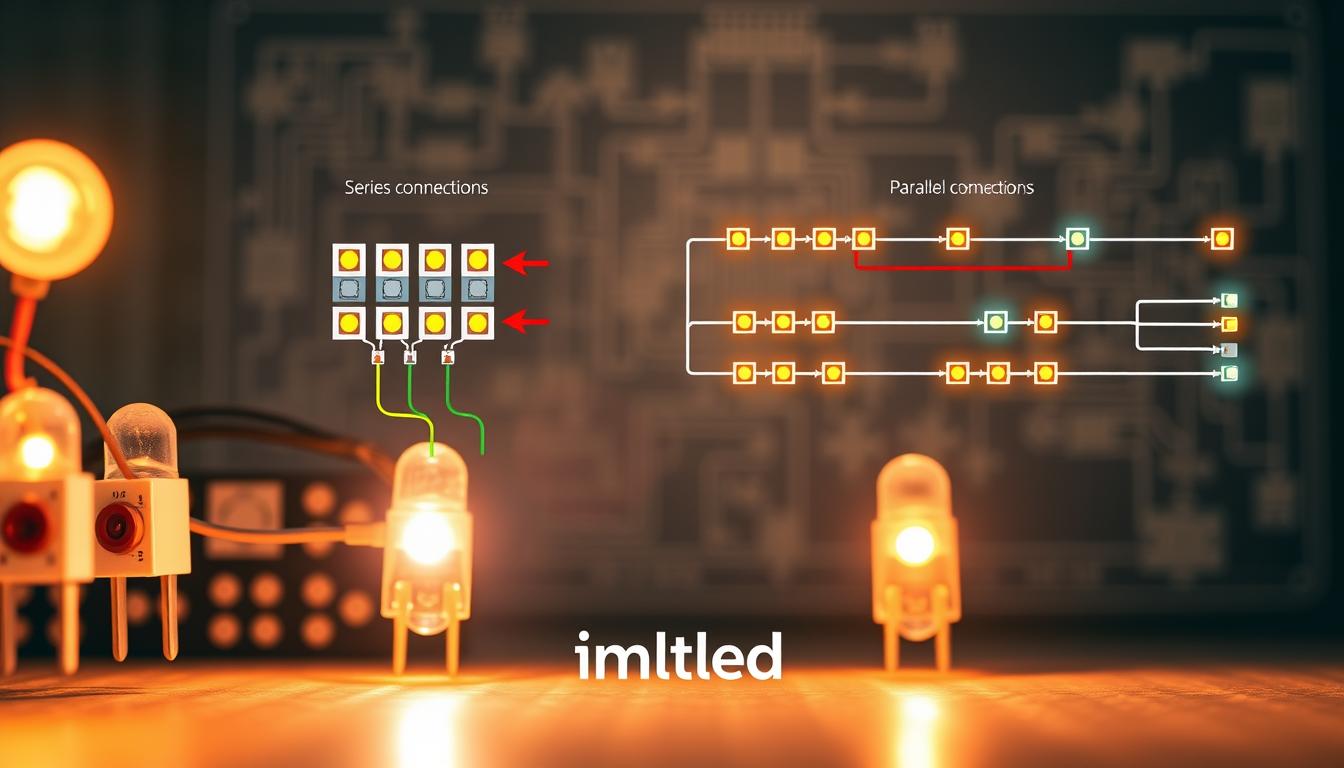
We often find that the secret to a perfect lighting display lies in the choice between series and parallel circuits. Understanding LED light wiring polarity is essential when you decide how to link your components together. Each method offers unique advantages for your specific project needs.
Differences Between Series and Parallel
A series connection links your LEDs in a single, continuous path. If one bulb fails in this setup, the entire string may lose power. Conversely, a parallel connection provides multiple paths for the current to flow, ensuring that other lights remain lit even if one component stops working.
| Feature | Series Connection | Parallel Connection |
|---|---|---|
| Current Path | Single path | Multiple paths |
| Voltage | Divided among LEDs | Constant across all |
| Reliability | Lower (one failure stops all) | Higher (independent operation) |
When to Use Each Configuration
Choosing the right setup depends on your power supply and the number of lights you plan to install. We recommend series connections for small, low-voltage projects where you want to simplify the wiring process. Parallel configurations are generally better for larger installations where you need consistent brightness across every single bulb.
“Simplicity is the ultimate sophistication in design, especially when managing complex electrical circuits for home lighting.”
Impact on LED Performance
Your choice directly influences the longevity and output of your system. When you maintain the correct LED light wiring polarity, you ensure that your lights operate at peak efficiency without overheating. A well-planned parallel circuit often provides more stable light levels, which helps protect your investment over time.
Always double-check your connections to avoid potential voltage drops that can dim your LEDs. By balancing your circuit design, you create a reliable and innovative lighting environment that brings your vision to life with ease.
LED Drivers and Power Supply
Think of the power supply as the engine that keeps your entire LED setup running smoothly. Without a reliable source of energy, even the most advanced lighting systems will struggle to maintain their brightness or longevity. We want to ensure your home remains perfectly lit without any frustrating flickering or dimming issues.
Role of LED Drivers
The LED driver acts as the heart of your lighting system. It performs the vital task of converting incoming power into the specific voltage required for your diodes to function safely. By regulating the current, these devices prevent damage and ensure that your LED light circuit polarity remains stable throughout the entire installation.
If you are looking to deepen your technical knowledge, you can explore this helpful LED drivers guide to understand how these components protect your investment. Proper regulation is the key to avoiding premature failure and keeping your smart lights performing at their peak.
Choosing the Right Power Supply
Selecting the correct power supply is a critical step in any project. You must match the voltage and wattage requirements of your specific LED strips or bulbs to avoid overloading the system. A well-matched power supply ensures that your LED light circuit polarity is maintained, providing a consistent and reliable flow of energy.
We always recommend checking the specifications of your hardware before finalizing your purchase. Taking this extra moment to verify compatibility will save you time and effort during the installation process. Our team is focused on providing solutions that simplify your technical needs and make your life easier.
Compatibility with LED Polarity
Maintaining consistent LED light circuit polarity is essential for the safety and functionality of your devices. When the driver and power supply are correctly integrated, the risk of reverse polarity—which can prevent your lights from turning on—is significantly reduced. Consistency is the foundation of a professional and long-lasting lighting setup.
By prioritizing high-quality drivers, you ensure that your system remains efficient and safe. We are here to help you find the perfect match for your devices so that your smart lighting runs flawlessly. Enjoy the peace of mind that comes with a perfectly balanced and well-managed electrical circuit.
Innovating with LED Technology
The landscape of lighting is shifting rapidly as we embrace new breakthroughs in LED technology. We are constantly exploring these advancements to bring you the most efficient and sustainable lighting solutions available today. By integrating these modern tools, you can easily transform your living space into a truly modern and eco-friendly environment.
Latest Developments in LED Technology
Recent years have brought incredible progress in how we control our light. We now see seamless smart home integration that allows you to manage your environment with a simple voice command or a tap on your smartphone. These systems offer advanced features like color temperature adjustment and automated scheduling to match your daily rhythm.
Future Trends in LED Applications
The future of lighting is brighter and more convenient than ever before. We anticipate a shift toward hyper-personalized lighting experiences that adapt to your mood and activities in real-time. This evolution means your home will not just be lit, but will actively support your well-being through intelligent, responsive illumination.
Sustainability and LED Efficiency
Our commitment to the planet remains at the heart of our innovation. We prioritize energy-saving features that significantly reduce power consumption without sacrificing brightness or quality. By choosing these sustainable solutions, you are making a positive impact on the environment while enjoying a more cost-effective and reliable lighting setup.
Tips for Installing LED Lights
We want to help you master the art of installing your new lighting system with confidence and ease. Proper installation is the secret to enjoying your lights for many years to come without any technical headaches. By following a structured approach, you can ensure your project is both safe and visually stunning.
Best Practices for Installation
Before you begin, always map out your layout to ensure you have enough cable and power capacity. Double-checking your polarity markings before finalizing any connections is a crucial step in the process. Performing polarity testing for LED lights early on prevents frustration later when you power up the system.
We recommend using high-quality connectors to maintain a stable electrical flow. Always ensure your power supply matches the voltage requirements of your specific lighting setup to avoid flickering or premature failure.
Common Mistakes to Avoid
One of the most frequent errors is ignoring the LED light strip polarity, which can lead to the lights failing to turn on entirely. It is easy to accidentally swap the positive and negative wires during a quick installation. Always verify your connections twice before securing them with tape or clips.
- Avoid bending the strips at sharp 90-degree angles.
- Do not overload your power supply beyond its rated capacity.
- Never force a connection if it does not slide in smoothly.
Maintenance Tips for Longevity
Keeping your system in top condition requires only a small amount of effort over time. Regularly inspect your connections to ensure they remain clean and secure, as loose wires can cause intermittent performance issues. Consistent care will protect your investment and keep your space glowing brightly.
If you notice any dimming or color shifts, check the power supply and wiring integrity first. By staying proactive with your LED light strip polarity checks and general maintenance, you will enjoy a seamless lighting experience for years.
Contacting Professionals for LED Solutions
Mastering the technical side of lighting projects brings a sense of accomplishment to any space. We believe that your journey toward a brighter home should feel simple and rewarding. Proper understanding LED light connections remains the key to long-lasting performance and safety.
When to Seek Expert Help
Sometimes a project requires a deeper level of technical precision. Reach out to our team when you face complex wiring challenges or need custom configurations for your specific layout. We provide personalized guidance to ensure your installation meets the highest standards of quality.
Finding a Reliable Supplier
Partnering with the right experts makes all the difference in your lighting results. You can visit our website at www.imltled.cn to explore our innovative product range. Reach out via WhatsApp at 0086 185 8848 3178 or send an email to info@imltled.cn for direct support. We look forward to helping you illuminate your dream life with efficient and modern lighting solutions.