
Navigating the world of safety certifications can feel overwhelming when you are trying to choose the best lighting for your home or business. We believe that you deserve complete peace of mind when selecting technology that powers your space. That is why understanding the role of the Occupational Safety and Health Administration (OSHA) is so important.
OSHA sets rigorous standards to ensure that products used by consumers and businesses remain secure and reliable. When you see specific safety marks on your devices, it confirms that they have passed strict testing protocols. Comparing ETL vs UL helps you identify which products meet these high safety benchmarks.
Our goal is to simplify these technical details so you can make informed decisions with confidence. By choosing certified equipment, you are investing in innovation and safety for your daily life. Let us explore how these labels protect your environment and why they matter for your next smart lighting project.
Key Takeaways
- OSHA establishes essential safety standards to protect consumers and businesses.
- Safety certifications ensure that your lighting products undergo rigorous testing.
- Understanding the differences between ETL vs UL helps you make smarter purchasing choices.
- Certified products provide long-term reliability and peace of mind for your home.
- We prioritize transparency to help you navigate complex technical specifications easily.
Understanding ETL: Extract, Transform, Load
When we look at the history of safety, the acronym ETL stands out as a true pioneer. Originally founded as a testing laboratory by Thomas Edison in 1896, this organization has evolved into a cornerstone of modern electrical safety.
Today, it operates as a vital member of the Nationally Recognized Testing Laboratories (NRTL) program. This status ensures that your electronic components meet the most rigorous safety requirements before they ever reach your home.
Definition of ETL
At its core, ETL is a certification mark that proves a product has been tested to meet specific safety standards. We prioritize this certification because it provides peace of mind for our customers using smart lighting solutions.
By choosing products with this mark, you are selecting items that have undergone strict evaluation. It is a reliable choice for testing LED lighting and other complex electronic components that power your daily life.
The ETL Process Breakdown
The testing journey is thorough and systematic. First, engineers perform a detailed inspection of the product design to identify potential hazards. Next, they subject the device to extreme conditions to ensure it remains stable under pressure.
Finally, the laboratory conducts ongoing factory audits to maintain consistent quality. This rigorous approach is why we trust these standards for our innovative lighting products.
Common ETL Tools
When performing an ETL comparison, it is clear that the tools used for verification are highly specialized. These instruments measure everything from heat dissipation to electrical insulation integrity.
The following table highlights the key ETL features that distinguish this testing process from others in the industry:
| Feature | ETL Standard | Industry Average |
|---|---|---|
| Safety Compliance | High (NRTL) | Moderate |
| Testing Frequency | Quarterly Audits | Annual Only |
| Component Scope | Comprehensive | Limited |
By understanding these technical foundations, you can better appreciate the innovation behind our smart lighting. We remain committed to using these high standards to keep your home bright and safe.
What is UL? Unloading Data Explained
If you have ever wondered why your smart lighting carries a specific seal of approval, you are looking at the legacy of Underwriters Laboratories. We believe that safety is the foundation of any great innovative home experience. By understanding these benchmarks, you can feel confident in the technology powering your space.
Definition of UL
Founded in 1894, Underwriters Laboratories has spent over a century perfecting the art of safety. They have developed more than 1,500 safety standards that serve as the gold standard for industries worldwide. These rigorous protocols ensure that every product meets strict criteria for performance and reliability.
Importance of Data Unloading
When we discuss the importance of these standards, we are really talking about product integrity. Proper testing ensures that your smart devices handle data efficiently without compromising your home network. A thorough UL comparison helps you distinguish between high-quality, certified hardware and unverified alternatives that may pose risks.
Use Cases for UL
You will find these safety benchmarks applied across a wide range of consumer electronics and smart home systems. From high-efficiency LED drivers to complex RGB+CCT controllers, these standards guarantee that your equipment remains cool and functional. We prioritize these UL features to ensure your lighting setup is both simple to manage and built to last.
| Feature Category | Certified UL Product | Standard Generic Product |
|---|---|---|
| Safety Testing | Rigorous 1,500+ Standards | Minimal or None |
| Reliability | High Performance | Variable Quality |
| Energy Efficiency | Optimized Consumption | Unpredictable |
| Long-term Value | Excellent | Low |
Key Differences Between ETL and UL
Navigating the world of product safety labels can feel complex, but comparing ETL vs UL reveals a shared commitment to excellence. Both organizations are recognized by OSHA as independent Nationally Recognized Testing Laboratories (NRTLs). This means they hold the same authority to certify that products meet rigorous safety benchmarks.
Comparison of Processes
You might wonder if there is a functional difference between these two certifications. While UL often develops the original safety standards, ETL tests products to those exact same criteria. This ETL comparison ensures that your lighting solutions are held to the highest industry standards regardless of the label on the box.
The primary distinction lies in the organizational focus. UL is a global safety science company that writes the standards, while ETL operates as a testing division that verifies compliance. Both paths lead to the same result: a product that is safe for your home or business.
Data Quality Considerations
When looking at ETL vs UL differences, it is important to remember that the quality of testing is identical. Both labs utilize the same testing protocols and safety requirements. You can feel completely secure knowing that your equipment meets the necessary safety mandates, whether it carries the UL or the ETL mark.
- Both are OSHA-approved NRTLs.
- Both follow the same rigorous safety standards.
- Both provide verified safety assurance for consumers.
Speed and Efficiency
In terms of a UL comparison, the main difference often comes down to the testing timeline and customer service experience. Because ETL is a specialized testing laboratory, they often provide faster turnaround times for manufacturers. This efficiency helps bring innovative lighting products to market more quickly without sacrificing safety.
| Feature | ETL | UL |
|---|---|---|
| OSHA Recognition | Yes | Yes |
| Standard Development | Uses existing standards | Develops standards |
| Safety Level | Identical | Identical |
Ultimately, the choice between these labels is less about safety and more about the manufacturer’s logistics. We prioritize solutions that offer the best balance of speed and reliability for your projects. You can trust that both marks represent a high-quality, safe, and compliant product.
The Importance of ETL in Data Management
Our commitment to your success begins with the rigorous standards we apply to every data workflow. By prioritizing structured data movement, we ensure that your systems remain reliable, accurate, and ready for the demands of modern technology. We view these processes as the foundation for a seamless and worry-free experience.
Benefits of Using ETL
Choosing certified solutions provides tangible ETL benefits that directly impact your daily operations. When you implement these protocols, you gain consistent performance across all your smart devices. This reliability ensures that your data remains synchronized and secure at all times.
Adherence to established safety norms is another core advantage of our approach. We focus on delivering high-quality results that you can trust. Key advantages include:
- Enhanced Data Accuracy: Reducing errors through automated validation.
- Operational Consistency: Maintaining stable performance across diverse environments.
- Safety Compliance: Meeting industry standards to protect your digital ecosystem.
“Quality is not an act, it is a habit. By embedding rigorous testing into our data management, we transform complex technical requirements into simple, everyday reliability.”
Challenges Faced in ETL Implementation
While the advantages are clear, we recognize that implementation can present technical challenges. Integrating new systems into existing infrastructures often requires careful planning and precision. We embrace these hurdles as opportunities for innovation rather than roadblocks.
Our team works tirelessly to overcome these complexities, ensuring that you enjoy a smooth transition. By focusing on ETL benefits and streamlined integration, we simplify your smart lighting journey. We are dedicated to making your technology work for you, not the other way around.
When to Use ETL Over UL
Efficiency and speed are often the deciding factors when choosing between ETL and UL. We believe in providing you with the flexibility to choose the best path for your unique environment, whether you are managing complex business data or home automation systems. Understanding the core ETL benefits allows you to make informed decisions that align perfectly with your long-term goals.
Situations Favoring ETL
You should prioritize ETL when your project requires high-quality data integration from multiple disparate sources. This method excels in environments where data must be cleaned, validated, and transformed before it reaches its final destination. By utilizing this approach, you ensure that your systems remain consistent and reliable over time.
When comparing ETL vs UL use cases, ETL stands out as the superior choice for real-time reporting and complex analytics. If your business relies on immediate insights to drive decision-making, the automated nature of ETL provides the necessary speed. Our team is here to help you navigate these choices so you can implement solutions that truly work for you.
Industry Applications
Many sectors rely on the power of ETL to maintain a competitive edge. In the retail industry, for instance, businesses use these processes to consolidate customer behavior data from various touchpoints into a single, actionable view. This level of organization is vital for creating personalized experiences that keep customers coming back.
Financial institutions also leverage these tools to ensure data accuracy and compliance across their entire infrastructure. By automating the transformation process, they reduce the risk of human error and improve overall operational efficiency. Whether you are optimizing a smart lighting network or managing a large-scale database, choosing the right strategy is the first step toward innovation and success.
The Role of UL in Modern Data Systems
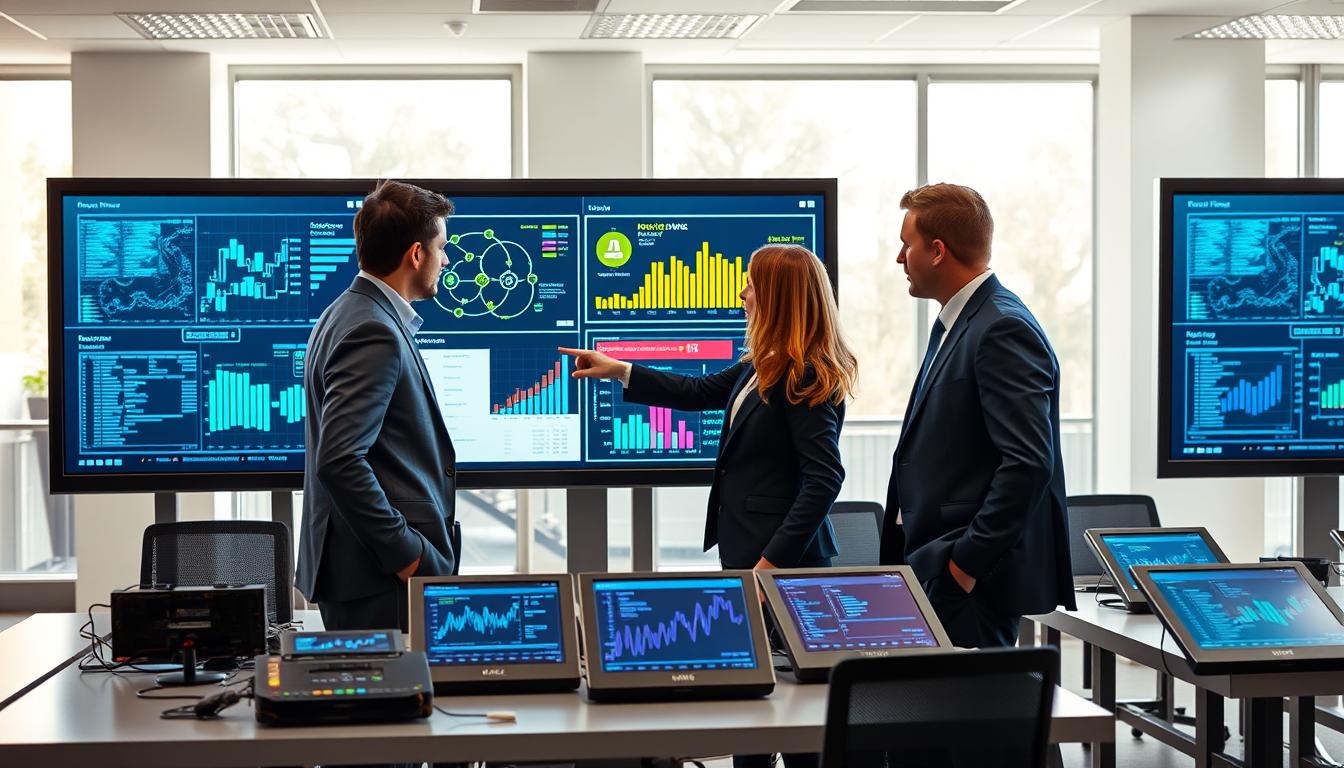
When we look at the backbone of secure data infrastructure, one name consistently stands out for its commitment to quality. In an era where digital transformation moves at lightning speed, maintaining a foundation of safety is not just a preference; it is a necessity. We believe that UL advantages provide the essential framework that allows modern systems to thrive without compromising on security or performance.
Benefits of Effective UL
The primary value of these standards lies in their ability to create a predictable and secure environment. By adhering to rigorous testing protocols, we ensure that every component of our data ecosystem functions exactly as intended. This level of precision minimizes downtime and protects your valuable information from unexpected failures.
Choosing systems that prioritize these safety benchmarks offers several key benefits for your business:
- Enhanced Reliability: Systems built to these standards experience fewer technical glitches.
- Industry Trust: Compliance signals to your partners that you value quality and safety.
- Risk Mitigation: Proactive testing identifies potential hazards before they impact your operations.
How UL Complements ETL
You might wonder how safety certifications fit into the technical world of data processing. While ETL focuses on the movement and transformation of data, these safety standards act as the guardrails for the hardware and software environments where that data lives. By integrating these two approaches, we create a robust ecosystem that is both efficient and incredibly secure.
The following table highlights how these distinct elements work together to support your infrastructure:
| Feature | ETL Process | UL Standards |
|---|---|---|
| Primary Focus | Data Flow Efficiency | System Safety Integrity |
| Operational Goal | Speed and Accuracy | Risk Reduction |
| Business Impact | Optimized Insights | Long-term Stability |
By leveraging UL advantages alongside our advanced data workflows, we help you build a brighter and more innovative living space. Our commitment is to provide you with solutions that are not only smart but also built to last. We are here to support your vision with technology that puts your safety and success first.
Cost Considerations: ETL vs UL
When planning your next lighting project, the financial implications of your certification choices are just as important as the technical specs. We believe that transparency is the foundation of a great partnership, especially when it comes to managing your project budget effectively.
By understanding the nuances of different certification paths, you can make informed decisions that align with your long-term goals. While some routes offer faster turnaround times, others provide specific UL advantages that might better suit your unique market requirements.
Budgeting for ETL Solutions
Many businesses find that ETL is often recognized for being more cost-effective and completing the certification process faster than other methods. This streamlined approach allows you to bring your products to market with greater speed and efficiency.
Choosing this path can significantly reduce your overhead costs, making it an attractive option for startups and established firms alike. If you want to learn more about the technical trade-offs, you can explore our detailed guide on ETL vs UL to see which fits your timeline.
UL Cost Implications
While ETL offers speed, it is important to weigh the long-term value of your certification choices. Investing in specific UL advantages can sometimes provide a competitive edge in industries where brand recognition and rigorous safety standards are paramount.
We encourage you to look beyond the initial price tag and consider the total value of your investment. Our team is always ready to assist you in finding the best balance between quality, innovation, and cost-effectiveness for your smart lighting needs.
Technology and Tools Supporting ETL and UL
Technology serves as the backbone of our commitment to quality and safety in every product we create. We utilize the latest digital tools to ensure our smart lighting solutions meet rigorous safety certifications. By embracing innovation, we make your daily life easier and more enjoyable.
Popular ETL Tools Available
Modern data pipelines require robust software to handle complex information flows. Many industry-leading platforms offer advanced ETL features that automate data movement and transformation. These tools allow us to maintain high standards of accuracy while processing large volumes of information.
Popular solutions like Apache NiFi and Talend provide the flexibility needed for modern smart home ecosystems. By leveraging these systems, we ensure that your lighting preferences are processed with unmatched speed and reliability. We focus on tools that simplify technical complexity so you can enjoy a seamless experience.
Innovations in UL Technologies
As we look toward the future, the evolution of data unloading remains a top priority. New UL features are constantly emerging to improve how we extract and verify data for safety testing. These innovations allow us to stay at the cutting edge of the smart lighting industry.
We are passionate about using these advancements to provide you with simple and reliable solutions. By staying updated with the latest technology, we ensure that every product we deliver is both safe and efficient. Our dedication to innovation means you can always trust the performance of your smart home devices.
The Future of Data Processing: ETL and UL Trends
Innovation drives our approach to data, ensuring your smart home stays ahead of the curve. The landscape of safety testing is constantly evolving, and we are excited to be at the forefront of these changes. We believe that by embracing new methods, we can make your daily life simpler and more efficient.
Emerging Technologies in ETL
The next generation of ETL processes is shifting toward real-time automation. By integrating artificial intelligence, systems can now identify and fix data inconsistencies before they reach your smart lighting controls. This proactive approach ensures that your home environment remains stable and responsive at all times.
We are also seeing a move toward cloud-native architectures that handle massive data streams with ease. These advancements allow for faster updates to your 2.4GHz or RGB+CCT devices. Reliability and speed are the cornerstones of this technological shift.
Predicting the Evolution of UL
As we look ahead, the role of UL is adapting to meet the complex demands of the modern smart home sector. We are focusing on how data unloading can become more streamlined to support the growing number of connected devices in your household. This evolution is vital for maintaining the high standards of safety you expect from us.
Our commitment to innovation means we are always preparing for the future to keep your home lighting ahead of the curve. We invite you to join us on this journey toward smarter and more efficient living. By refining how we unload and manage data, we ensure that your experience remains seamless and worry-free.
Conclusion: Making the Right Choice for Your Data Needs
Choosing between ETL and UL is a pivotal decision that shapes the efficiency of your entire data infrastructure. By evaluating your specific project requirements, you can ensure that your systems remain both high-performing and secure. We are here to help you navigate these technical waters with confidence.
Summary of Key Takeaways
To simplify your decision-making process, remember that the core ETL vs UL differences lie in how they handle data flow and transformation. While ETL excels at complex integration, UL provides a streamlined approach for direct data movement.
- ETL is ideal for environments requiring heavy data cleaning and structural changes.
- UL offers superior speed and efficiency when raw data transfer is the primary objective.
- Understanding the unique demands of your business will dictate which methodology serves you best.
Final Thoughts on ETL and UL Strategies
Ultimately, both approaches represent a high standard of excellence in modern data management. Whether you prioritize deep transformation or rapid unloading, your strategy should always align with your long-term vision for growth.
“Data is the foundation of innovation, but the strategy you choose to process it determines the height of your success.”
We are proud to be your partner in creating a system that is both robust and intuitive. By mastering the ETL vs UL landscape, you are well-equipped to illuminate your path toward smarter, data-driven decisions. Thank you for trusting us to support your journey with our innovative and simple technology.
Contact Us for More Information
Choosing the right data strategy transforms how your business operates. We provide the guidance you need to master ETL vs UL use cases for your specific infrastructure. Our team at IMLTLED remains ready to support your journey toward smarter data management.
Direct Communication Channels
You can reach our dedicated support staff through email at info@imltled.cn for detailed technical inquiries. If you prefer instant messaging, contact us via WhatsApp at 0086 185 8848 3178. We prioritize clear communication to ensure your systems run at peak performance.
Explore Our Digital Resources
Visit our website at www.imltled.cn to browse our full catalog of smart lighting solutions and technical documentation. We offer a wealth of information designed to help you integrate efficient data practices into your daily operations. Let us help you turn your vision of a brighter, more connected life into a reality today.