
We are here to help you navigate the complex world of smart lighting by comparing two industry-standard protocols. Whether you are a homeowner or a business owner, choosing between a DMX512 Addressable LED Strip and an SPI-based system is a critical step in your project.
This article simplifies the technical jargon, ensuring you can select the right Programmable LED strip for your unique vision. We aim to make your lighting journey both simple and innovative. Our goal is to provide the clarity you need to bring your creative ideas to life with confidence.
Key Takeaways
- Understand the core differences between DMX and SPI protocols.
- Learn which system best fits your specific installation needs.
- Simplify complex technical specifications into actionable choices.
- Discover how to achieve professional lighting results with ease.
- Gain confidence in selecting the right hardware for your smart home or business.
Understanding DMX512 Technology
We often rely on DMX512 to bring complex lighting visions to life with absolute precision. This professional-grade protocol acts as the backbone for high-end installations, ensuring that every light reacts exactly as intended.
What is DMX512?
Developed by the American Stage Lighting Association (USITT), the DMX512 protocol provides a standardized way for lighting controllers to communicate with fixtures. It is a digital signal transfer method that prioritizes reliability and speed.
When you choose a DMX LED strip light, you are investing in a system designed for stability. It allows for the seamless management of complex lighting scenes, making it a favorite for engineers and designers alike.
Key Features of DMX512
The strength of this technology lies in its ability to handle massive amounts of data without losing integrity. Here are the primary benefits that make it a top choice for professionals:
- Robust Performance: It maintains a stable signal even over very long cable runs.
- High Precision: You gain granular control over every individual pixel or fixture.
- Standardization: It works across a wide range of professional hardware, ensuring seamless compatibility.
Applications of DMX512 in Lighting
Because of its reliability, this protocol is the go-to solution for demanding environments. It functions perfectly as a high-performance LED pixel tape for projects that require absolute consistency.
You will frequently find this technology in:
- Large-scale stage and concert productions.
- Complex architectural illumination projects.
- Interactive art installations that require instantaneous response times.
By utilizing this standard, you ensure that your lighting setup remains professional, scalable, and ready for any creative challenge you might face.
Understanding SPI Technology
We often recommend SPI technology for smaller, creative installations because of its impressive performance and straightforward integration. Originally proposed by Motorola, the Serial Peripheral Interface (SPI) serves as a high-speed, synchronous communication bus that connects various electronic components with ease.
What is SPI?
At its core, SPI is a communication protocol that allows a master device, such as a microcontroller, to send data to peripheral devices in a synchronized manner. This technology is highly favored in the maker community because it requires minimal hardware overhead to function effectively. When you use an RGB pixel tape, you are essentially leveraging this protocol to send precise color instructions to every individual LED on the line.
Key Features of SPI
The primary strength of this technology lies in its ability to handle rapid data updates, which results in smooth and fluid lighting transitions. Because it is a synchronous system, the timing is managed by a clock signal, ensuring that your Addressable RGB strip remains perfectly responsive. This makes it an excellent choice for those who value flexibility and quick setup times in their lighting projects.
- High-speed data transmission for real-time effects.
- Simple integration with popular microcontrollers like Arduino or ESP32.
- Reliable performance for short-to-medium distance runs.
Applications of SPI in Lighting
We see this technology shine in projects where creativity and customization are the top priorities. Whether you are designing a custom RGB pixel tape display for a gaming room or adding ambient glow to a home office, SPI provides the necessary control. It is also a popular choice for small-scale Addressable RGB strip installations where you need to create complex, dynamic patterns without the complexity of industrial-grade systems.
| Feature | SPI Performance | Best Use Case |
|---|---|---|
| Data Speed | High | Dynamic Effects |
| Setup Complexity | Low | DIY Projects |
| Wiring | Simple | Short Runs |
| Control | Direct | Microcontrollers |
Comparing DMX512 and SPI
We often find that the secret to a perfect light show lies in the underlying signal transmission. Choosing the right protocol ensures your installation remains stable and efficient for years to come.
When you select a Digital LED tape, you are essentially choosing how your controller talks to your lights. Each system offers unique benefits depending on the scale and complexity of your design.
Control Mechanisms
DMX512 operates on a robust, standardized protocol that treats each light as a specific addressable unit. This makes it ideal for professional environments where precise timing is non-negotiable.
In contrast, SPI acts as a Pixel-controlled LED tape solution that relies on a clock and data signal. It is often favored for its simplicity in smaller, localized zones where rapid data updates are required for smooth color transitions.
Compatibility with Devices
Compatibility is a major factor when building your lighting ecosystem. DMX512 is widely recognized in the professional industry, allowing for seamless integration with consoles and software.
- DMX512: Highly compatible with professional stage gear and architectural controllers.
- SPI: Best suited for microcontrollers like Arduino or Raspberry Pi, making it perfect for hobbyists.
If you are working on a large-scale project, the universal nature of DMX512 often simplifies the hardware selection process. For custom DIY projects, the flexibility of SPI-based Pixel-controlled LED tape provides more creative freedom.
Signal Transmission Methods
The way data travels through your wires defines the reliability of your display. DMX512 uses parallel signal transmission, which provides strong anti-interference capabilities for long-distance runs.
SPI utilizes serial data transmission, which is efficient but can be sensitive to distance. Because of this, SPI is best used for shorter, localized runs of Digital LED tape to avoid signal degradation.
| Feature | DMX512 | SPI |
|---|---|---|
| Signal Type | Parallel | Serial |
| Distance | Long-range | Short-range |
| Complexity | High | Low |
Advantages of DMX512 Addressable LED Strips
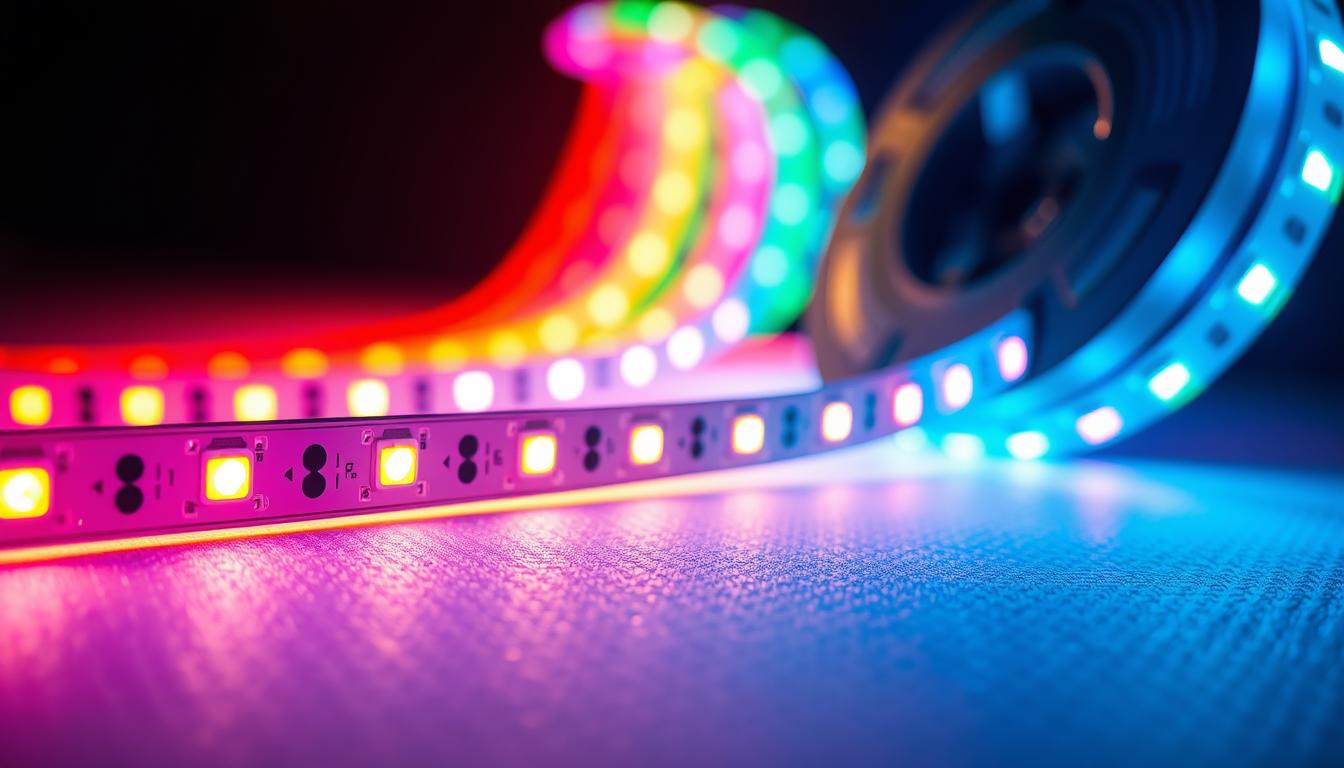
We believe that your large-scale lighting vision deserves the stability and precision that only a DMX512 system can provide. When you choose a DMX512 Addressable LED Strip, you are investing in a professional-grade solution designed for demanding environments. Our team is here to help you simplify your smart lighting setup with the right controller.
Precision in Control
A DMX controlled LED strip offers unparalleled accuracy for complex lighting scenes. Because each unit communicates through a dedicated digital signal, you can achieve perfect synchronization across every single pixel. This level of detail ensures that your color transitions and patterns remain crisp and consistent, even in the most intricate designs.
Scalability for Large Installations
One of the most significant benefits of this technology is its massive capacity. A single DMX512 universe supports up to 512 channels, allowing you to manage extensive arrays with ease. This programmable LED strip architecture makes it the ideal choice for expansive architectural projects where you need to maintain total control over every light source.
Robustness in Performance
We trust this technology for our most ambitious client installations because it is built to last. The DMX controlled LED strip is engineered to withstand the rigors of professional use, providing a stable signal that resists interference over long distances. By choosing a high-quality programmable LED strip, you ensure that your lighting remains reliable and vibrant for years to come.
Advantages of SPI Addressable LED Strips
We believe that high-quality lighting should be accessible to everyone, which is why we love the simplicity of SPI systems. These solutions allow you to transform your home or workspace with vibrant colors without needing a degree in electrical engineering. By choosing an Addressable RGB strip, you gain the power to create professional-grade effects with minimal effort.
Simplicity of Setup
One of the greatest benefits of this technology is how quickly you can get your project running. Unlike more complex professional systems, this user-friendly approach removes the need for complicated signal routing or heavy hardware. You can simply connect your controller, power supply, and strips to start enjoying your custom light display in minutes.
Cost-Effectiveness
We know that budget is often a top priority for your creative endeavors. SPI-based LED pixel tape is significantly more affordable than professional-grade alternatives, making it the perfect choice for DIY enthusiasts. You get the same stunning visual impact of an RGB pixel tape setup while keeping your total project costs well within reach.
Versatility in Design
The flexibility offered by these strips is truly unmatched for creative lighting designs. Whether you are building a custom Addressable RGB strip installation for your living room or a unique LED pixel tape display for a themed event, the possibilities are endless. You can easily cut, bend, and shape your RGB pixel tape to fit any architectural feature or artistic vision you have in mind.
- Easy integration with popular microcontrollers.
- Budget-friendly components for every scale of project.
- Limitless creative potential for home and commercial decor.
Use Cases for DMX512 LED Strips
When your project demands absolute precision and reliability, the DMX512 Addressable LED Strip stands out as the industry gold standard. We understand that in professional environments, lighting must perform flawlessly every single time. This technology provides the stable, synchronized control required for high-stakes visual displays.
Stage and Event Lighting
In the world of theater and live concerts, timing is everything. A DMX controlled LED strip allows lighting designers to sync complex color changes with music and movement perfectly. Because this protocol is a global standard, it integrates seamlessly with existing professional consoles and dimming systems.
Architectural Illumination
For large-scale building facades and bridges, durability is just as important as aesthetics. We often recommend this Digital LED tape for outdoor projects because it handles long cable runs without losing signal integrity. It ensures that your architectural vision remains vibrant and consistent, even across massive distances.
Interactive Installations
Modern art and public spaces thrive on user engagement. When you need a DMX512 Addressable LED Strip to react to motion or touch, the speed of the protocol makes it an ideal choice. This DMX controlled LED strip offers the low-latency response times necessary to create truly immersive experiences for your audience.
Whether you are designing a stage show or a permanent art installation, choosing the right Digital LED tape is essential. We are here to help you navigate these technical choices so you can illuminate your most significant projects with total confidence.
Use Cases for SPI LED Strips
If you are looking for a versatile lighting tool, our SPI addressable LED strip options are designed to make your projects shine. We believe that lighting should be both innovative and easy to manage for every creator. By choosing high-quality LED pixel tape, you gain the freedom to design custom patterns that truly stand out.
Home Decor and Ambient Lighting
Creating a cozy atmosphere in your home has never been simpler. With RGB pixel tape, you can easily sync your lighting to music or movies for an immersive experience. These strips are perfect for accentuating furniture or adding a soft glow behind your television.
Digital Displays
Businesses often rely on dynamic visual impact to attract customers. Using a reliable Pixel-controlled LED tape allows you to build vibrant signage that captures attention instantly. This technology is ideal for retail environments where you need to showcase products with eye-catching color transitions.
Themed Attractions
For designers working on themed attractions or wearable technology, flexibility is key. Our solutions provide the high-speed data transmission needed for complex, synchronized light shows. Whether you are building a costume or an interactive art piece, these strips offer the robust performance you require.
| Application Type | Primary Benefit | Recommended Setup |
|---|---|---|
| Home Decor | Ease of Use | Simple Controller |
| Retail Signage | Visual Impact | Advanced Pixel Mapping |
| Wearable Tech | High Flexibility | Compact Power Supply |
We are dedicated to helping you find the perfect, simple solution for your unique design needs. By integrating these tools, you can transform any space into a vibrant masterpiece. Let your creativity lead the way as you explore the endless possibilities of addressable lighting.
Installation Considerations
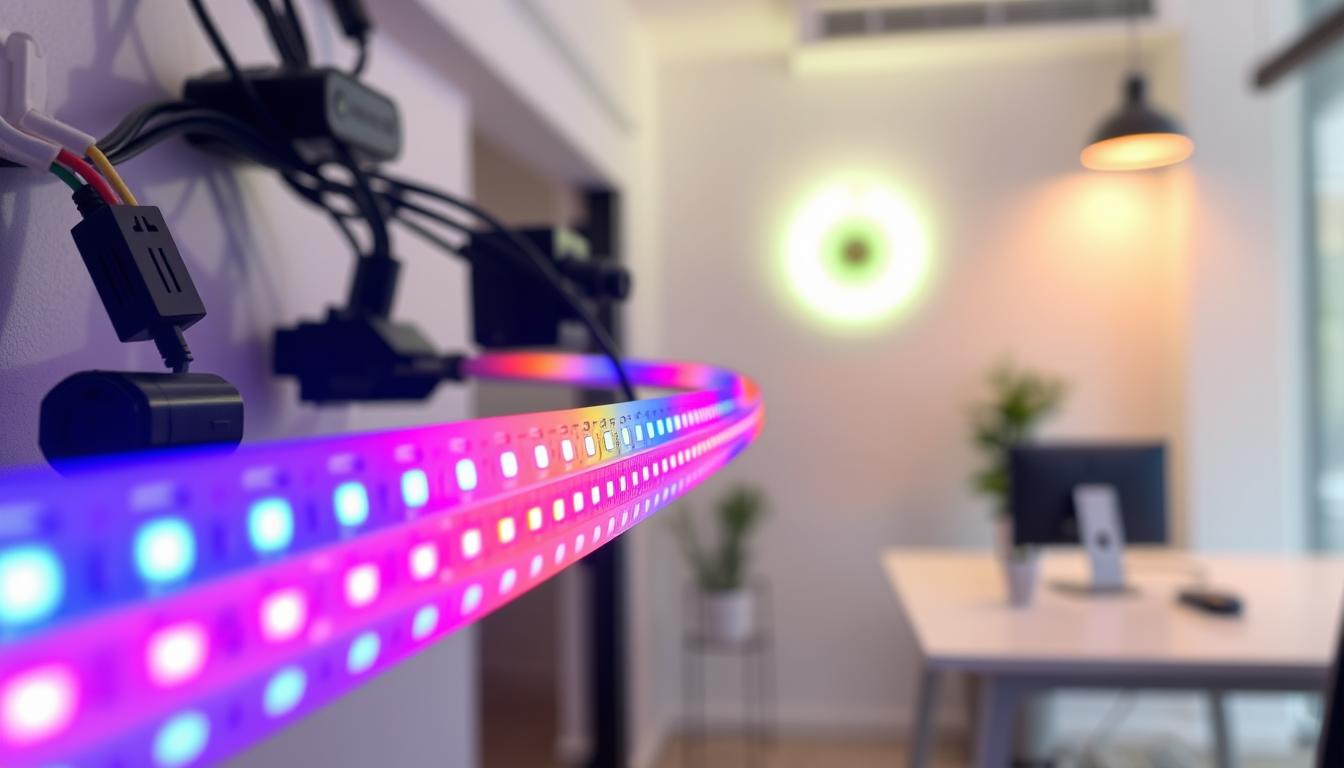
We believe that a well-planned installation is the secret to a long-lasting and vibrant lighting display. Whether you are designing a stage or a home theater, the way you connect your hardware determines the reliability of your entire system. When working with a DMX LED strip light, taking the time to map out your connections will save you significant effort later on.
Wiring for DMX512 Strips
Wiring for this protocol is often more complex because it requires a dedicated decoder to translate signals. You will typically manage five wires, which include power, data, and specific address setting lines to ensure each segment responds correctly. Precision is key when handling these connections to avoid signal interference.
If you find the technical side daunting, remember that DMX512 lighting control made simple and is entirely possible with the right guidance. By using high-quality decoders, you can maintain a stable signal across long distances, which is vital for professional installations.
“Quality is never an accident; it is always the result of high intention, sincere effort, intelligent direction and skillful execution.”
Wiring for SPI Strips
In contrast, SPI strips offer a much more straightforward approach for your projects. These systems generally utilize a simple two-wire data connection, making them a favorite for quick setups and smaller creative tasks. You will find that the reduced wiring complexity allows for faster assembly without sacrificing the visual impact of your lighting.
Power Requirements
Regardless of the protocol you choose, calculating your power needs is a non-negotiable step. We always recommend checking the total wattage of your DMX LED strip light or SPI system to prevent voltage drops. Ensuring your power supply is robust enough to handle the load will keep your colors consistent and your system running smoothly for years to come.
Choosing the Right Strip for Your Project
Your vision for a beautifully illuminated environment starts with choosing the right technology for your needs. We understand that balancing technical specifications with creative goals can feel like a challenge. Our goal is to simplify this process so you can focus on bringing your unique ideas to life.
Factors to Consider
When selecting your hardware, you must evaluate the scale of your installation and the level of control you require. For complex, large-scale professional setups, a Digital LED tape often provides the necessary robustness and signal stability. If your project is smaller or requires rapid deployment, you might find that an Addressable RGB strip offers the perfect balance of performance and ease of use.
- Project Scale: Large venues often demand the signal reliability of DMX systems.
- Control Granularity: Determine if you need individual pixel control or group-based effects.
- Installation Complexity: Consider the wiring requirements and the expertise needed for your specific setup.
Budget Considerations
We know that every project operates within a specific financial framework. While an Addressable RGB strip is typically more cost-effective for hobbyist or home-based projects, it is important to look at the total cost of ownership. You should factor in the price of controllers, power supplies, and potential maintenance over time.
Investing in high-quality Digital LED tape might require a higher initial budget, but it often pays off in long-term durability for commercial applications. We encourage you to weigh the upfront savings against the potential for future upgrades or repairs. A smart investment today prevents unnecessary expenses tomorrow.
Environmental Impact
Sustainability is a key part of modern lighting design. Choosing energy-efficient components helps reduce your carbon footprint while lowering electricity costs. We recommend selecting products that offer long lifespans, as this reduces the frequency of replacements and minimizes electronic waste.
Efficiency is not just about power consumption; it is about choosing the right tool for the job to avoid over-engineering. By selecting a system that perfectly matches your requirements, you ensure that your installation remains both beautiful and environmentally responsible for years to come.
Maintenance and Troubleshooting
We believe that proactive maintenance is the secret to a long-lasting and reliable lighting installation. By keeping your system in top shape, you ensure that your creative vision continues to shine brightly for years to come. We are here to help you navigate the occasional technical hurdle with ease and confidence.
Common Issues with DMX512 Strips
When working with a DMX controlled LED strip, the most frequent challenges often relate to addressing and signal integrity. Configuration errors can occur if the start address is set incorrectly, leading to unexpected color shifts or flickering. Always double-check your controller settings to ensure every fixture is communicating properly within the network.
Signal degradation is another factor to monitor in larger setups. If you notice intermittent performance, inspect your data cables for physical damage or loose connections. Maintaining a clean signal path is essential for the stability of your professional lighting environment.
Common Issues with SPI Strips
A Pixel-controlled LED tape offers incredible versatility, but it requires careful handling of its integrated circuits. In these systems, if a single IC is damaged, it will often disrupt the transmission of signals to all subsequent pixels in the chain. This can result in a section of the strip going dark or displaying incorrect colors.
We recommend testing your strips before final installation to identify any factory defects. Protecting your pixels from moisture and physical stress is the best way to prevent these cascading failures during operation.
Tips for Long-Term Care
To keep your lighting running perfectly, we suggest a routine inspection schedule. Check your power supplies regularly to ensure they are not overheating and that all connections remain secure. Keeping your components clean and free of dust will also help maintain optimal thermal performance.
| Feature | DMX512 System | SPI System |
|---|---|---|
| Primary Maintenance Focus | Addressing & Signal Path | IC Integrity & Pixel Health |
| Common Failure Point | Configuration Errors | Damaged IC Components |
| Troubleshooting Strategy | Check Controller Settings | Test Individual Pixel Chains |
| Long-Term Reliability | High (Robust Signal) | Moderate (Chain Sensitivity) |
If you ever encounter a problem that seems difficult to solve, do not hesitate to reach out for expert support. We are dedicated to making your lighting experience as simple and enjoyable as possible. Your dream lighting is our priority, and we are always ready to provide the guidance you need.
Where to Buy DMX512 and SPI Strips
Selecting the right components ensures your lighting project achieves professional results. We provide high-quality DMX512 Addressable LED Strip options designed to meet your specific creative requirements. Our team focuses on delivering reliable technology that simplifies your installation process.
Recommended Suppliers
We take pride in our commitment to innovation and customer satisfaction. You can explore our full range of products by visiting our website at www.imltled.cn. Our experts stand ready to assist you in choosing the perfect DMX512 Addressable LED Strip for your unique environment.
Online Resources
Direct communication helps us provide the best technical support for your lighting designs. You can reach our friendly team via email at info@imltled.cn for detailed product inquiries. We are also available to chat on WhatsApp at 0086 185 8848 3178 to discuss your project needs. We look forward to partnering with you to illuminate your world with simple and effective lighting technology.