
Remodeling your home is an exciting journey that requires making smart choices to achieve a clean, modern look. We know that selecting the perfect fixtures is essential for creating a space that feels both functional and inviting.
You might feel overwhelmed by the technical options available today. Our goal is to simplify the differences between traditional can setups and modern alternatives to help you decide what fits your budget and design goals. We want to ensure you feel confident and empowered while planning your dream home.
Key Takeaways
- Traditional fixtures offer a classic look but require more ceiling depth.
- Modern alternatives provide a sleek, low-profile design for tight spaces.
- Installation complexity varies significantly between these two popular options.
- Energy efficiency is a major benefit of choosing newer, integrated LED technology.
- Your final decision should balance your aesthetic vision with your specific structural needs.
Understanding Recessed Lighting
Mastering the fundamentals of recessed lighting is the first step toward a perfectly lit space. We believe that proper illumination is the heart of any great interior design, and understanding the difference between various fixtures helps you make an informed choice.
Definition and Purpose
Recessed lighting, often called downlighting, consists of fixtures installed directly into a hollow opening in your ceiling. This design creates a sleek, built-in appearance that keeps your rooms looking clean and spacious. By tucking the light source away, these fixtures effectively minimize glare while providing focused, high-quality illumination exactly where you need it most.
Beyond indoor applications, you can also enhance your backyard with versatile lighting to extend your living space into the outdoors. Whether you are highlighting architectural features or simply brightening a dark corner, the primary purpose remains the same: to provide functional, unobtrusive light that complements your home’s unique style.
Types of Recessed Lighting Available
When selecting your fixtures, size is a critical factor to consider. Standard recessed lighting is typically available in 4, 5, and 6-inch diameters to accommodate various ceiling heights and room dimensions. Choosing the right size is a key difference in how the light spreads across your floor and walls.
Smaller 4-inch fixtures are perfect for task lighting or accentuating specific decor, while larger 6-inch units provide broader coverage for general ambient light. We recommend evaluating your specific ceiling height to ensure you achieve the perfect balance of brightness and aesthetic appeal. By understanding these basic options, you are well on your way to creating a brighter, more inviting environment for your family and guests.
What is Can Recessed Lighting?
Traditional can recessed lighting has served as the backbone of home illumination for decades. These fixtures rely on a robust metal housing unit installed directly into the ceiling to hold the wiring and bulb securely in place. When evaluating your lighting options, it is helpful to weigh the pros and cons of this classic design to see if it fits your specific needs.
Features of Can Recessed Lighting
One of the primary advantages of this system is its incredible versatility. Because the housing is separate from the trim and bulb, you can easily swap out components to refresh your room’s aesthetic without replacing the entire fixture. This modular approach allows you to experiment with different beam angles or color temperatures over time.
While these lights offer a polished, professional look, they do come with specific trade-offs. The pros and cons often center on the physical bulk of the unit. You must ensure your ceiling has enough depth to accommodate the metal canister, which can sometimes be a challenge in older homes or tight spaces.
Installation Overview
Installing can lighting is a more involved process compared to modern alternatives. It requires cutting precise holes in the drywall and securing the metal housing to the ceiling joists. This structural connection ensures that the light remains stable and safe for years to come.
Because the housing is hidden within the ceiling cavity, the installation must be planned carefully. You need to account for insulation contact ratings and electrical clearance to avoid potential hazards. Understanding these pros and cons during the planning phase will help you achieve a seamless, high-quality finish that elevates your living space.
What is Canless Recessed Lighting?
Discover why homeowners are ditching traditional bulky housings for the streamlined beauty of canless fixtures. This modern innovation removes the need for a metal canister, allowing the light to mount directly into your ceiling surface. By using integrated LED technology, these lights offer a sleek, contemporary profile that fits perfectly into any room.
Benefits of Canless Design
The primary benefits of this design include its incredible versatility in tight spaces. If you are working with shallow ceilings or limited attic access, these fixtures are often the only viable choice. They are lightweight, easy to handle, and provide a clean look that elevates your interior design.
When weighing the pros and cons, the simplicity of the installation process stands out as a major advantage. You do not need to worry about complex housing frames or heavy mounting brackets. This makes them an ideal choice for both DIY enthusiasts and professional contractors looking to save time.
Energy Efficiency Comparisons
Beyond aesthetics, energy efficiency is a standout feature of canless lighting. Because these units use advanced LED technology, they consume significantly less power than traditional incandescent or halogen bulbs. This reduction in energy usage translates directly into lower monthly utility bills for your household.
We find that the long-term energy efficiency of these systems is unmatched by older lighting methods. By choosing canless, you are investing in a sustainable solution that lasts for years without frequent bulb replacements. It is a smart, simple way to brighten your home while keeping your environmental footprint small.
Key Differences Between Can and Canless
We often find that the choice between Can vs Canless Recessed Lighting depends heavily on your specific ceiling constraints. Understanding the physical difference between these two options is the first step in ensuring your lighting solution is both functional and visually appealing.
Size and Aesthetic Considerations
Traditional can lights offer a classic, recessed look that many homeowners appreciate for its depth and replaceable components. However, they require significant space above the ceiling to house the metal canister.
In contrast, canless lights provide a modern, low-profile appearance that sits flush against the surface. These fixtures are ideal for shallow ceilings or limited attic space where traditional housings simply will not fit.
Installation Complexity
The installation process highlights a major difference in how these systems integrate into your home. Can lights typically require a more involved setup, often needing a sturdy frame or joist mounting to support the heavy housing.
Canless designs are engineered for simplicity and speed. Because they do not require a bulky housing, you can often install them directly into the drywall, making them a favorite for quick renovation projects.
| Feature | Can Lighting | Canless Lighting |
|---|---|---|
| Profile | Deep/Traditional | Ultra-thin/Modern |
| Space Needed | High (Requires attic clearance) | Low (Fits shallow ceilings) |
| Installation | Complex/Housing required | Simple/Direct mount |
| Versatility | High (Replaceable trims) | High (Integrated LED) |
Energy Efficiency: A Comparison
We often look for ways to lower utility bills while keeping our homes bright and inviting. Achieving high energy efficiency is a primary goal for modern homeowners who want to reduce their environmental footprint. By making informed choices, you can enjoy a beautifully lit space while keeping your monthly expenses under control.
LED Options for Both Types
Both can and canless fixtures now utilize advanced LED technology to provide superior illumination. Canless models are typically designed with integrated LEDs, which are inherently efficient and feature an airtight construction. This design prevents conditioned air from escaping through the ceiling, further boosting your home’s overall thermal performance.
Traditional can lights also support LED bulbs, offering a flexible path to better performance. While they may not always be as airtight as canless units, they provide a reliable way to upgrade existing setups. You can easily swap out older bulbs for modern LEDs to see an immediate improvement in your power consumption.
Long-Term Cost Analysis
When performing a comparison of these two options, it is vital to consider long-term maintenance. Canless units are sealed, which protects the internal components from dust and debris over time. However, this means the entire fixture may eventually need replacement if the light source fails.
In contrast, can lights allow for individual bulb replacements, which can be more cost-effective in the short term. You should weigh the initial investment against the frequency of maintenance required for your specific space. Choosing the right system depends on your desire for a low-maintenance, sealed solution versus the flexibility of modular components.
| Feature | Can Lighting | Canless Lighting |
|---|---|---|
| Energy Usage | Efficient (with LED) | Highly Efficient |
| Maintenance | Bulb Replacement | Sealed Unit |
| Air Leakage | Moderate | Minimal (Airtight) |
| Lifespan | High | Very High |
Installation Process for Can Lighting
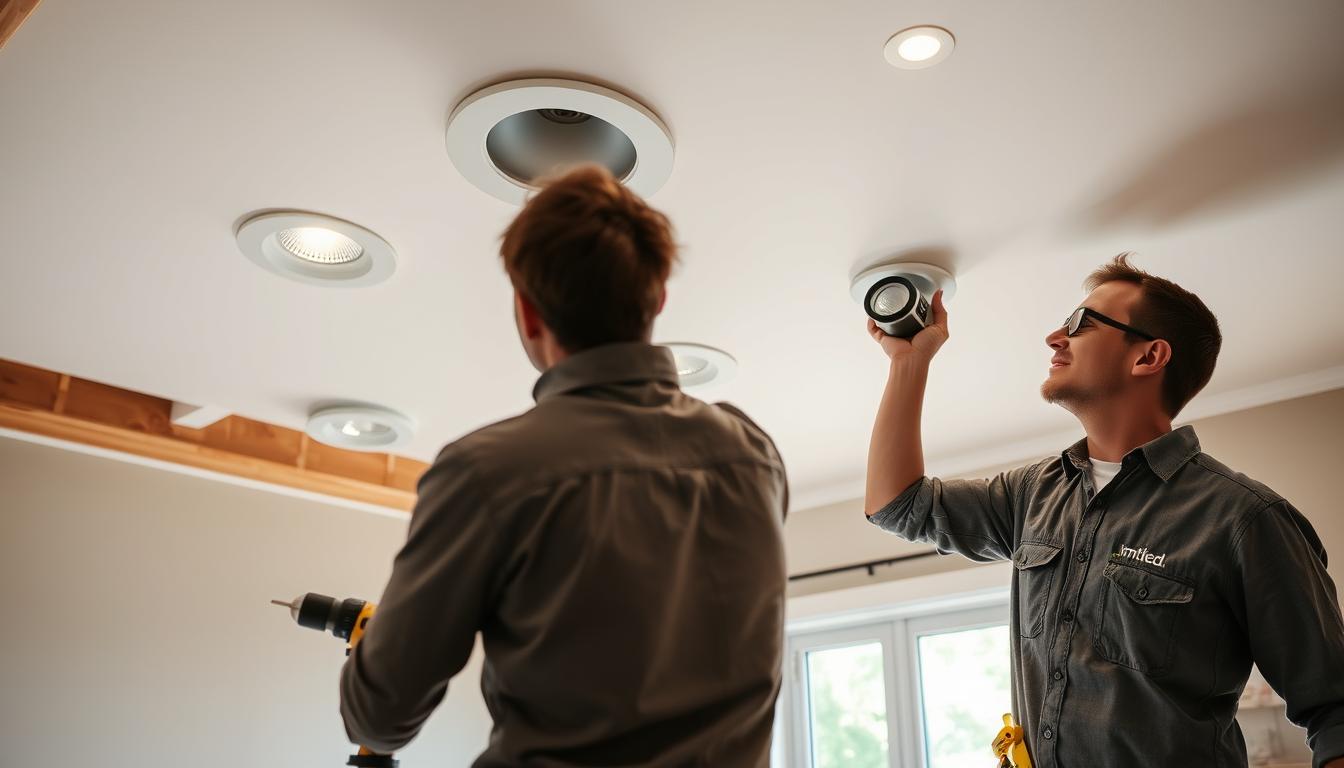
Installing traditional can lighting requires a strategic approach to ensure your ceiling remains structurally sound and aesthetically pleasing. This method is often best suited for new construction projects where you have full access to the ceiling joists before the drywall is finished. Because these fixtures rely on a metal housing unit, the installation process is significantly more involved than modern alternatives.
Tools Required
To achieve a professional result, you must gather the right equipment before you begin. Having the correct tools on hand will make the entire workflow much smoother and safer for you.
- Drywall saw or hole saw: Essential for cutting precise openings in the ceiling.
- Voltage tester: A critical safety tool to ensure power is off before you touch any wiring.
- Wire strippers and pliers: Necessary for secure electrical connections.
- Power drill: Used for mounting the housing brackets to the joists.
- Measuring tape and pencil: Vital for accurate layout and spacing.
Common Challenges
One of the most frequent hurdles during installation is checking for adequate attic clearance. The metal canister takes up significant space above the ceiling, which can be problematic if you have insulation or HVAC ducts in the way. You must also be prepared to navigate around existing ceiling joists, which may limit where you can place your lights.
Another challenge involves the physical labor of securing the housing units. Unlike simpler designs, these fixtures require you to mount the canister directly to the joists, which often necessitates working in tight, uncomfortable spaces. Proper planning is the best way to avoid these common pitfalls during your project.
| Task Phase | Primary Requirement | Difficulty Level |
|---|---|---|
| Layout Planning | Measuring joist spacing | Moderate |
| Cutting Openings | Using a hole saw | Moderate |
| Housing Installation | Securing to joists | High |
| Wiring & Trim | Electrical connection | Moderate |
Installation Process for Canless Lighting
We believe that the best home improvements are those that combine professional results with a simple installation process. By removing the need for bulky housing units, these modern fixtures allow you to achieve a clean, minimalist look without the headache of complex ceiling modifications.
Advantages of a Simpler Installation
The primary benefit of choosing a canless design is the sheer ease of the setup. Because these units are ultra-thin, they fit into tight spaces where traditional cans simply cannot go.
- Spring-loaded clips: These allow the light to snap directly into the drywall, holding it securely in place.
- No housing required: You save significant space and avoid the struggle of maneuvering heavy metal cans between ceiling joists.
- Versatility: These lights are perfect for retrofitting older homes or finishing new construction projects with equal efficiency.
Time Frame for Completion
When it comes to your schedule, we know that efficiency is key. Because the installation requires fewer steps and less hardware, you can complete a full room upgrade in a fraction of the time it takes for traditional recessed lighting.
Most DIY enthusiasts find that they can finish a standard room in just a few hours. Contractors also appreciate this speed, as it allows them to move on to the next phase of a project much faster. Choosing canless lighting means spending less time on a ladder and more time enjoying your beautifully lit space.
Lighting Quality: Can vs Canless
We believe that the right light can transform any room, but choosing between can and canless fixtures requires a closer look at performance. Achieving the perfect ambiance depends on the quality and direction of your light, which varies significantly between these two fixture types. Whether you are exploring the nuances of can lights vs recessed lights, understanding how they distribute illumination is essential for your home.
Brightness and Color Temperature
Can lights often feature adjustable gimbals, giving you the flexibility to highlight specific artwork or architectural features in your room. This directional capability allows you to create depth and focus where you need it most. Precision is the hallmark of the traditional can design, making it a favorite for accent lighting.
Conversely, canless lights are designed for uniform, wide-angle illumination. This makes them an excellent choice for general lighting needs in kitchens and living areas where you want to eliminate dark corners. Both types offer a wide range of color temperatures, from warm, inviting glows to crisp, daylight-inspired tones.
Dimming Capabilities
Modern lighting is all about control, and both fixture types generally support advanced dimming technology. However, the experience can vary based on the specific LED driver integrated into the unit. We recommend checking compatibility with your wall switches to ensure a smooth, flicker-free transition between brightness levels.
Canless models often provide a more seamless dimming experience due to their integrated, all-in-one design. Traditional can fixtures may require specific bulbs that are rated for your chosen dimmer switch. Regardless of your choice, investing in high-quality dimmable components will significantly enhance your comfort.
| Feature | Can Lighting | Canless Lighting |
|---|---|---|
| Light Direction | Highly Adjustable (Gimbals) | Fixed Wide-Angle |
| Best Use Case | Accent & Task Lighting | General Ambient Lighting |
| Dimming Control | Bulb Dependent | Integrated Driver |
| Visual Impact | Architectural Focus | Clean & Minimalist |
Choosing the Right Lighting for Your Space
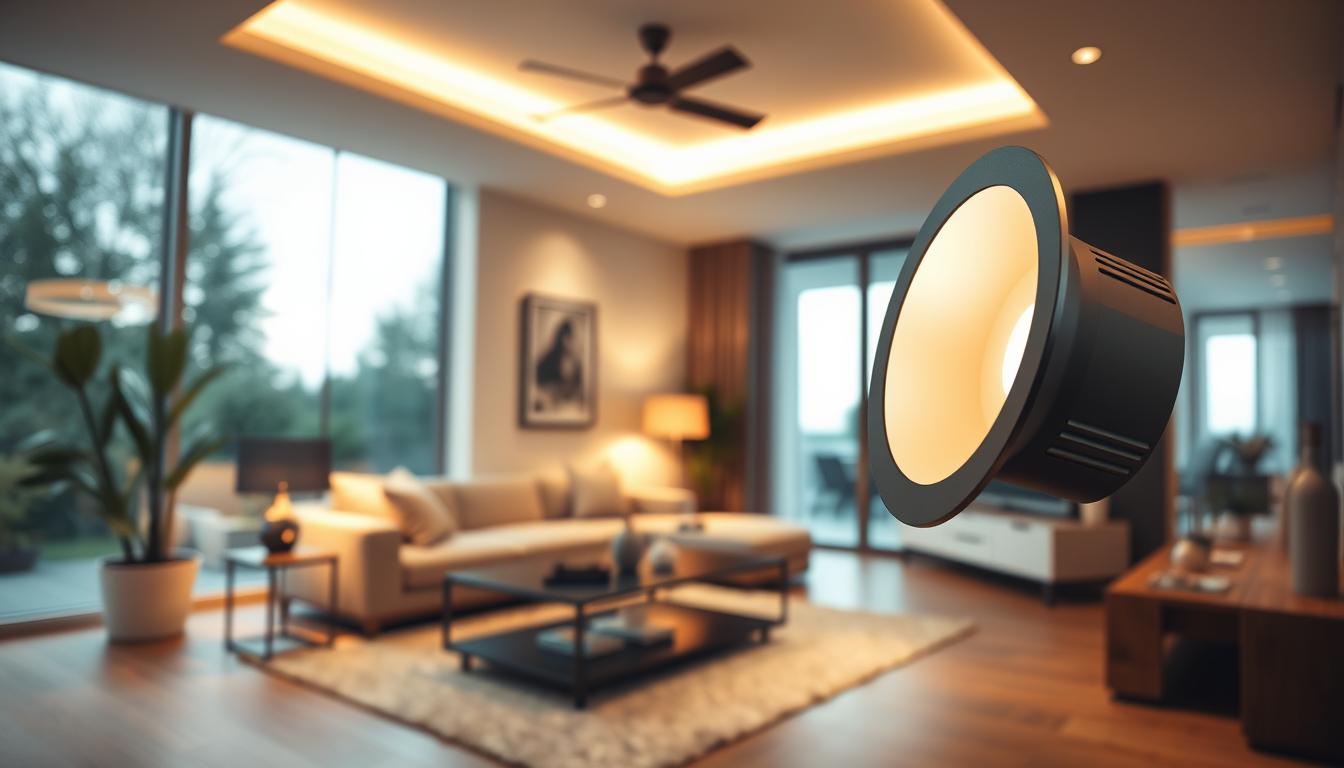
We believe that your lighting should work as hard as you do while reflecting your unique sense of style. Finding the perfect balance between technical requirements and your personal vision is the secret to a beautifully lit home. By focusing on how you live, we can help you achieve design flexibility that transforms every corner of your living area.
Consider Room Functionality
Every room in your home serves a different purpose, and your lighting should reflect that. For spaces like kitchens or home offices, you need bright, focused light to help you stay productive. In contrast, bedrooms and living areas often benefit from softer, warmer tones that promote relaxation.
If you are working with insulated ceilings, canless lights are often the superior choice. These units are inherently airtight, which prevents heat loss and keeps your home energy-efficient without the need for bulky housing. This technical advantage allows you to install lighting in areas where traditional cans might struggle to fit.
Personal Style and Design Preferences
Your home is a reflection of your personality, and your lighting choices should support that expression. We prioritize design flexibility to ensure you are not limited by your ceiling structure. Whether you prefer a minimalist look or a more dramatic architectural statement, there is a solution that fits your aesthetic goals.
Choosing the right fixture allows you to highlight artwork, define walkways, or create a cozy atmosphere. We encourage you to explore different trim styles and color temperatures to find what truly resonates with your taste. When the technical needs are met, you are free to focus on the beauty of your space.
| Room Type | Primary Need | Recommended Lighting |
|---|---|---|
| Kitchen | Task Lighting | High-Output Canless |
| Living Room | Ambient/Dimmable | Warm-Tone Canless |
| Attic/Insulated | Airtight Seal | Airtight Canless |
| Hallway | Uniform Coverage | Low-Profile Canless |
Cost Considerations for Both Options
Choosing between can and canless lighting involves more than just aesthetics; it requires a careful look at your total investment. While the pricing of these systems varies, we encourage you to view your purchase as a long-term commitment to your home’s efficiency and comfort.
Initial Investment vs. Long-Term Savings
It is common to notice that canless lights often carry a higher upfront cost compared to traditional housing-based fixtures. However, the initial price tag does not tell the whole story. You must consider the total cost of ownership, which includes labor expenses and energy consumption over the life of the product.
Canless models typically require less time to install, which can significantly reduce professional labor fees. Furthermore, their superior energy efficiency often leads to lower monthly utility bills. When you prioritize ceiling tile lights illuminating your home in, you are investing in a solution that pays for itself through reduced maintenance and power usage.
Budget-Friendly Tips
Achieving a high-end look does not have to break the bank. We recommend focusing on design flexibility by mixing and matching fixture types based on the specific needs of each room. You can save money by installing premium, energy-efficient lights in high-traffic areas while opting for more standard versions in closets or storage spaces.
Always keep an eye on the pricing of bulk packages, as buying in larger quantities often provides better value. Planning your layout in advance also prevents unnecessary purchases and ensures that every light serves a clear purpose in your home.
| Feature | Traditional Can | Canless LED |
|---|---|---|
| Upfront Cost | Lower | Higher |
| Installation Labor | Higher | Lower |
| Energy Efficiency | Moderate | Excellent |
| Maintenance Needs | Frequent | Minimal |
Customer Reviews and Feedback
We believe that learning from the experiences of others is the best way to navigate your upcoming lighting project. Hearing from fellow homeowners provides a clear window into how different lighting solutions perform in real-world settings. By analyzing these shared stories, you can better understand the benefits of each system before you commit to a purchase.
Can Recessed Lighting User Experiences
Many homeowners who choose traditional housings often praise the incredible flexibility these fixtures offer. Users frequently mention that they love the ability to swap out bulbs to change the color temperature or beam angle whenever they want. This level of customization is a major factor for those who prioritize long-term adaptability and competitive pricing on replacement parts.
If you are still weighing your options, you can explore more details on can or canless recessed lighting to see how these choices impact your home. Many long-term users appreciate that they are not locked into a single technology. They find that keeping the housing in place while upgrading the trim or bulb is a smart way to manage their home improvement budget over time.
Canless Recessed Lighting Testimonials
On the other hand, many modern homeowners rave about the sleek, low-profile aesthetic that canless systems provide. These users often highlight the simplicity of the installation process as a primary advantage. They enjoy a clean, minimalist ceiling look that feels both contemporary and high-end.
However, it is important to note that these systems come with a specific trade-off regarding maintenance. Because the LED technology is integrated directly into the fixture, you must replace the entire unit if a failure occurs. While this might seem like a drawback, many users feel the initial pricing and the benefits of a maintenance-free, long-lasting light source far outweigh the need for future replacements.
Conclusion: Making Your Decision
Choosing the right fixtures transforms your home into a space that reflects your personal style and functional needs. This comparison of Can vs Canless Recessed Lighting highlights how modern technology simplifies your renovation journey.
We believe that smart lighting should be both intuitive and efficient. Whether you prioritize the classic look of traditional housings or the sleek profile of modern alternatives, your choice impacts the long-term atmosphere of your rooms. You can explore how a streamlined LED controller helps manage these systems with ease.
Key Considerations for Your Project
Evaluate your ceiling depth and local building codes before you start. A thorough comparison ensures you select hardware that fits your specific layout while meeting your energy goals. Proper planning prevents common installation hurdles and keeps your project on track.
Expert Support and Resources
Our team remains ready to assist with your lighting design questions. Visit our website at www.imltled.cn to view our latest product range. You can send your inquiries to info@imltled.cn or connect with us directly via WhatsApp at 0086 185 8848 3178. We look forward to helping you illuminate your space with confidence.