
Many indoor gardeners worry about whether their equipment might accidentally harm their precious vegetation. It is a common concern, especially when you want to provide the perfect environment for your plants to thrive.
We believe that achieving the right balance between intensity and safety is the key to a successful indoor garden. Understanding your equipment is the first step toward mastering your setup.
If you ever feel unsure about your current configuration, our team is here to help. You can reach out to us at info@imltled.cn or send a message via WhatsApp at 0086 185 8848 3178 for personalized guidance. We are dedicated to making your indoor gardening journey simple, innovative, and worry-free.
Key Takeaways
- Proper distance management prevents heat stress on foliage.
- High-quality equipment minimizes the risk of thermal damage.
- Monitoring plant response helps you adjust intensity effectively.
- Professional support ensures your indoor garden remains healthy.
- Innovative technology simplifies the process of indoor cultivation.
Understanding LED Grow Lights
We believe that the right lighting is the heartbeat of any thriving indoor garden. As technology evolves, we have moved toward smarter, more effective ways to support plant life within our homes. By choosing the right tools, you can create an environment where your greenery truly thrives year-round.
What Are LED Grow Lights?
LED Grow Lights are advanced lighting systems designed to mimic the natural spectrum of the sun. Unlike traditional bulbs that rely on filaments or gases, these units use light-emitting diodes to produce specific wavelengths of light. This targeted approach ensures that your plants receive exactly what they need for photosynthesis without wasting energy on unnecessary heat.
These innovative systems have become the gold standard for modern indoor cultivation. Whether you are growing herbs in your kitchen or maintaining a collection of exotic flowers, these lights provide the consistent energy required for healthy development. They serve as the backbone of a successful indoor garden by offering precision and control.
Benefits of Using LED Grow Lights
One of the primary advantages of using energy-efficient grow lights is their ability to lower your electricity bills while maximizing output. Because they convert more electricity into light rather than heat, they are significantly more cost-effective than older lighting technologies. This efficiency makes them a smart investment for any dedicated gardener.
- Longevity: These lights often last for tens of thousands of hours, reducing the need for frequent replacements.
- Spectrum Control: You can easily find models that provide the perfect balance of blue and red light for different growth stages.
- Compact Design: Their slim profile makes them ideal for small spaces and vertical gardening setups.
Common Misconceptions About LED Lights
It is a common myth that grow lights for indoor plants are dangerous or too complex for the average hobbyist. In reality, these systems are much safer than older, high-intensity discharge lamps that can pose fire risks. We want you to feel confident that modern lighting is designed with your safety and convenience in mind.
Another misconception is that these lights are not powerful enough to support large plants. Modern energy-efficient grow lights have advanced significantly, offering high-intensity output that rivals traditional options. By selecting the right LED Grow Lights, you can achieve professional-grade results in your own home with minimal effort.
How LED Grow Lights Work
We believe that mastering the mechanics of light is the first step toward professional-grade indoor gardening. By simulating the sun, LED plant lights provide the energy necessary for photosynthesis to occur efficiently within your home.
The Science Behind LED Technology
At the core of this innovation is the semiconductor diode. When electricity passes through these diodes, they emit light without generating the intense heat associated with older lighting methods.
This efficiency makes LED Grow Lights a favorite for modern growers. You can explore more about high-performance solutions by checking out our guide on how to discover the power of LED lighting towers for your to ensure your setup is optimized for success.
Different Spectrum Outputs
Plants require specific wavelengths to thrive during different life stages. Using full spectrum LED grow lights allows you to provide a balanced light profile that mimics natural daylight.
- Blue light promotes vegetative growth and strong stems.
- Red light is essential for flowering and fruit production.
- Full spectrum blends these to support the entire plant life cycle.
Role of Intensity in Plant Growth
While light is vital, more is not always better. You must carefully manage the intensity of your LED plant lights to prevent overwhelming the plant’s natural systems.
Excessive intensity can lead to light stress, which hinders development rather than helping it. By choosing high-quality full spectrum LED grow lights, you gain the control needed to adjust output based on your specific plants. Proper management of LED Grow Lights ensures your garden remains healthy, vibrant, and productive throughout the year.
Signs of Overexposure
Your plants have a unique way of telling you when they are receiving more light than they can handle. By paying close attention to their physical appearance, you can catch issues before they become permanent. We find that proactive observation is the most effective tool in your gardening kit.
Yellowing Leaves and Burnt Tips
The most common indicator of excessive light is the appearance of yellowing leaves, often referred to as chlorosis. When the light intensity is too high, the plant struggles to process the energy, leading to a breakdown of chlorophyll.
You might also notice crispy, brown tips on the edges of your leaves. This is a clear sign that the tissue is being scorched by the heat or the sheer power of the light source. If you see these symptoms, consider moving your light fixture further away immediately.
Stunted Growth and Weak Stems
Plants under constant light stress often stop growing altogether. Instead of reaching for the sky, they may appear compact or stop developing new foliage entirely. This is the plant’s way of conserving energy to survive the harsh environment.
Beyond stunted height, you might notice the following issues:
- Thin or brittle stems that struggle to support the plant’s weight.
- A lack of new leaf production over several weeks.
- Pale or washed-out colors in the stems and veins.
Distorted Leaf Shapes
Sometimes, overexposure manifests as physical deformation. You may notice leaves curling inward or developing strange, crinkled textures that do not look natural for the species. This distorted growth happens because the plant is trying to minimize its surface area to avoid the intense light.
If you notice these changes, do not panic. Simply adjust your setup to provide a more gentle environment. By responding quickly to these visual cues, you ensure your indoor garden remains a vibrant and healthy space for years to come.
Optimal Distance for LED Lights
Finding the perfect height for your LED lights is the secret to a thriving indoor garden. We know that managing the space between your light source and your plants is essential for preventing light burn while maximizing photosynthesis. By fine-tuning this distance, you create a stable environment where your plants can truly flourish.
Recommended Distance for Various Plants
Every plant species has unique light requirements, which means there is no single “magic number” for everyone. However, we suggest starting with these general guidelines to keep your greenery safe and happy:
- Seedlings: Keep lights further away, typically 24 to 36 inches, to prevent delicate tissues from drying out.
- Vegetative Stage: Move the lights closer, usually between 18 and 24 inches, to encourage robust stem development.
- Flowering Stage: Maintain a distance of 12 to 18 inches to provide the high intensity needed for bloom production.
Importance of Light Penetration
Proper light penetration is crucial for ensuring that your entire plant receives energy, not just the top canopy. When light is positioned correctly, it reaches the lower foliage, which prevents weak growth and promotes a fuller, healthier structure.
If your lights are too close, the top leaves may suffer from heat stress or bleaching. Conversely, if they are too far away, the lower branches will become spindly as they stretch to find more energy. We encourage you to observe your plants daily to ensure light is reaching all levels of the canopy.
Adjusting Distance as Plants Grow
Your plants are dynamic, and your lighting setup should be just as flexible. As your plants transition from fragile seedlings to mature specimens, you must regularly adjust the height of your fixtures.
We recommend checking your light height at least once a week. If you notice your plants growing rapidly, raise the lights to maintain the ideal buffer zone. This proactive approach helps you avoid the common pitfalls of overexposure while keeping your indoor garden growing strong and vibrant.
Setting the Right Duration
Creating a consistent rhythm for your plants is the secret to unlocking their full potential. While it is tempting to leave your LED grow lights on indefinitely, plants require a structured schedule to thrive. By mimicking the natural cycle of the sun, you provide the stability necessary for healthy development.
Ideal Light Cycle for Different Phases
Different stages of plant life demand specific light durations to trigger growth or flowering. During the vegetative phase, most plants benefit from 16 to 18 hours of light per day. This extended period encourages strong foliage and stem development.
When you are ready to transition your plants to the flowering stage, you must adjust the cycle. Reducing the light to 12 hours on and 12 hours off often signals the plant to begin producing blooms. Consistency is key here, as even minor interruptions can confuse the plant’s internal clock.
How Duration Affects Plant Health
Plants perform complex metabolic processes during both light and dark hours. While light drives photosynthesis, the dark period is equally critical for respiration and nutrient uptake. During this rest phase, plants process the energy they stored throughout the day.
If you deny your plants this essential downtime, they may experience significant stress. A lack of rest can lead to nutrient deficiencies and weakened immune systems. By respecting these natural cycles, you ensure your plants remain vibrant and resilient.
Overexposing vs. Underexposing
Finding the perfect balance prevents the common pitfalls of overexposure and underexposure. Leaving lights on 24/7 might seem like a shortcut to faster growth, but it often leads to light burn and stunted development. Plants simply cannot process light energy without a break.
Conversely, underexposing your plants by providing too little light will result in weak, leggy stems as they stretch to find a source. We recommend using a simple mechanical or digital timer to automate this process. This small investment removes the guesswork and keeps your garden on a healthy, predictable schedule.
Choosing the Right LED Grow Light
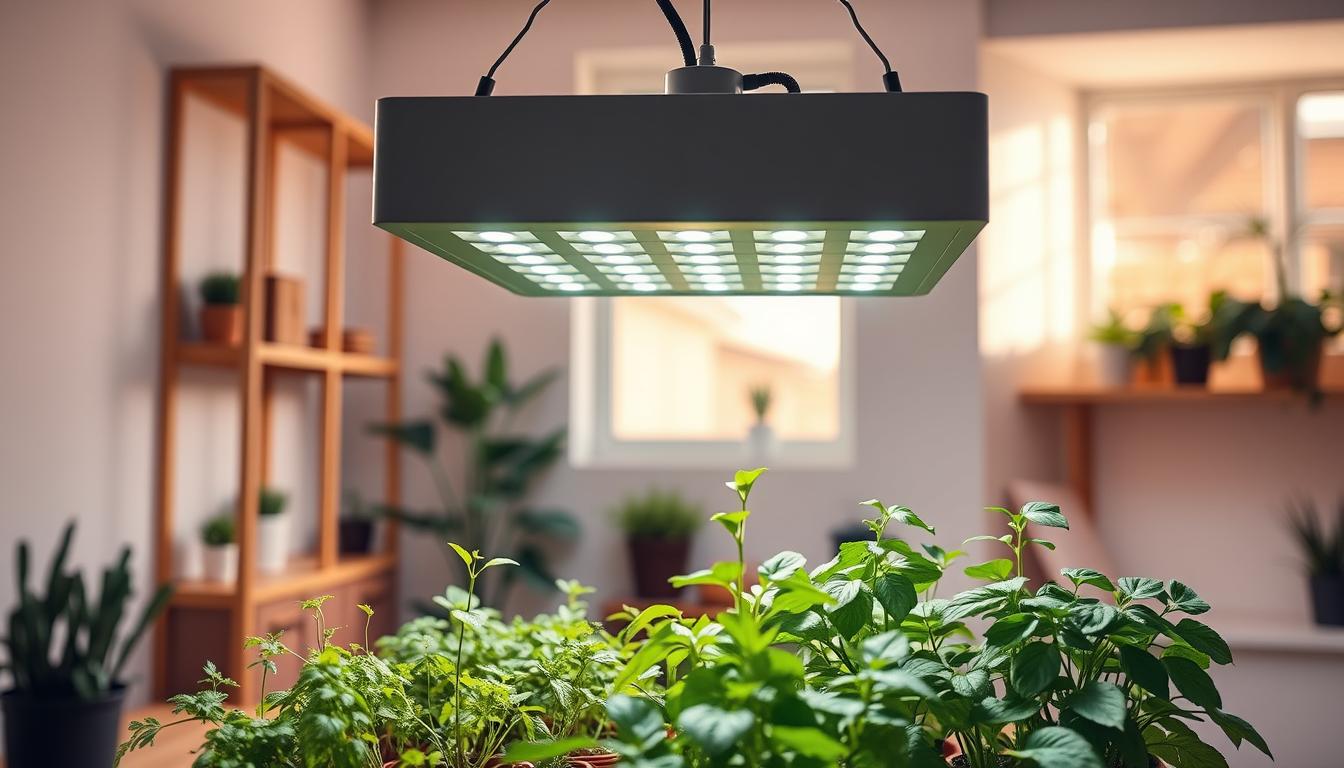
Your path to a thriving indoor garden begins with choosing the right LED grow light for your unique space. We understand that navigating the market can feel overwhelming, but finding the best LED grow lights is simpler than you might think. Our goal is to help you make an informed decision that balances your budget with your plant’s specific needs.
Factors to Consider When Selecting Lights
When you start shopping for high-performance grow lights, you must first evaluate your grow area size. A small closet setup requires significantly less power than a dedicated grow tent or a basement operation. You should also consider the growth stage of your plants, as seedlings and flowering plants have different light requirements.
Think about the physical footprint of the fixture as well. Ensure the light fits comfortably within your space while allowing for proper airflow. Choosing a model with adjustable intensity settings provides the flexibility needed to support your plants through their entire life cycle.
Comparing Wattage and Lumens
Many beginners focus solely on wattage, but true efficiency is about how well the light converts energy into usable plant growth. While you might be looking for affordable LED grow lights, remember that lower wattage does not always mean better value if the light output is insufficient. We recommend looking at the Photosynthetic Photon Flux (PPF) rather than just standard lumens.
Lumens measure brightness as perceived by the human eye, which is not always accurate for plant photosynthesis. Instead, focus on the spectrum and the intensity of the light reaching your canopy. A balanced approach ensures your plants receive the energy they need without wasting electricity.
High-Quality Brands to Consider
Investing in top-rated LED grow lights from reputable manufacturers often saves you money in the long run. These brands typically offer better warranties, superior cooling technology, and more reliable spectrum outputs. We suggest researching companies that prioritize transparency regarding their testing data and component quality.
The following table provides a quick comparison to help you identify the right category for your setup:
| Feature | Budget-Friendly | High-Performance |
|---|---|---|
| Primary Use | Small Home Gardens | Commercial/Pro Hobbyist |
| Efficiency | Standard | Advanced/High |
| Durability | Moderate | Excellent |
| Spectrum Control | Fixed | Fully Adjustable |
Managing Heat Levels
Even the most advanced lighting systems require careful temperature regulation to protect your plants. While energy-efficient grow lights have revolutionized indoor gardening, they still emit thermal energy that can accumulate in confined spaces. We believe that mastering your environment is the secret to a thriving indoor garden.
Heat Generation from LED Light
LEDs are significantly cooler than traditional high-pressure sodium bulbs, yet they are not entirely heat-free. The heat is primarily generated at the diode level and dissipated through the back of the fixture. If this heat is not properly managed, it can create localized hot spots that stress your plants.
“A controlled environment is the foundation of every successful harvest, turning potential challenges into consistent growth.”
Solutions to Prevent Overheating
To keep your plants happy, you must prioritize airflow. Proper ventilation systems, such as exhaust fans and intake vents, help cycle fresh air through your grow area. You can also unlock the convenience of LED remote systems to adjust your light intensity during the hottest parts of the day, reducing thermal output when necessary.
Spacing is another critical factor. By maintaining a consistent distance between your lights and the plant canopy, you allow heat to dissipate before it reaches delicate leaves. Consider the following table to optimize your cooling strategy:
| Method | Primary Benefit | Implementation Difficulty |
|---|---|---|
| Exhaust Fans | Removes hot air | Moderate |
| Oscillating Fans | Improves circulation | Easy |
| Proper Spacing | Reduces heat stress | Very Easy |
Best Practices for Cooling
We recommend monitoring your grow room temperature daily to ensure stability. Using energy-efficient grow lights alongside a smart thermostat allows you to automate your cooling efforts effortlessly. Always remember that a stable, cool environment promotes faster growth and higher yields for your indoor plants.
Adjusting Light Spectrum
Fine-tuning the light spectrum is a powerful way to ensure your plants thrive at every stage of development. By providing the right light at the right time, you can significantly improve your yields and overall plant vitality. We are here to help you master these technical details with confidence and ease.
Importance of Full-Spectrum vs. Targeted Spectrum
Many growers often wonder if they should use specialized colors or stick to a broader range. Full spectrum LED grow lights are designed to mimic natural sunlight, providing a balanced output that supports plants from seed to harvest. This versatility makes them an excellent choice for those who want a simple, all-in-one solution for their indoor garden.
Targeted spectrums, on the other hand, focus on specific wavelengths like deep blue or red. While these can be useful for professional research or highly specific growth goals, they often require more manual intervention. For most home growers, the convenience of high-quality full spectrum LED grow lights provides the best balance of efficiency and performance.
Changing Spectrum for Growth Stages
Plants have different needs as they transition from seedlings to mature flowering specimens. During the vegetative stage, plants typically crave more blue light to encourage strong, bushy growth and healthy foliage. As you move into the flowering phase, increasing the red light spectrum helps stimulate bud production and fruit development.
Modern lighting systems often allow you to adjust these settings with the touch of a button. By shifting the output to match the biological clock of your plants, you create an optimized environment that promotes faster growth. This proactive approach ensures your plants receive exactly what they need to reach their full potential.
Recommendations for Specific Plants
Different species have unique requirements that you should consider when setting up your lights. Leafy greens, such as lettuce and herbs, generally thrive under a consistent, balanced light profile throughout their life cycle. In contrast, flowering plants like tomatoes or peppers often benefit from a spectrum shift once they begin to bloom.
We recommend observing your plants closely to see how they respond to your current settings. If you notice your plants stretching too much, they may need more intense light or a shift in the spectrum. Staying attentive to these small details will make your indoor gardening journey much more rewarding and successful.
Common Mistakes with LED Grow Lights
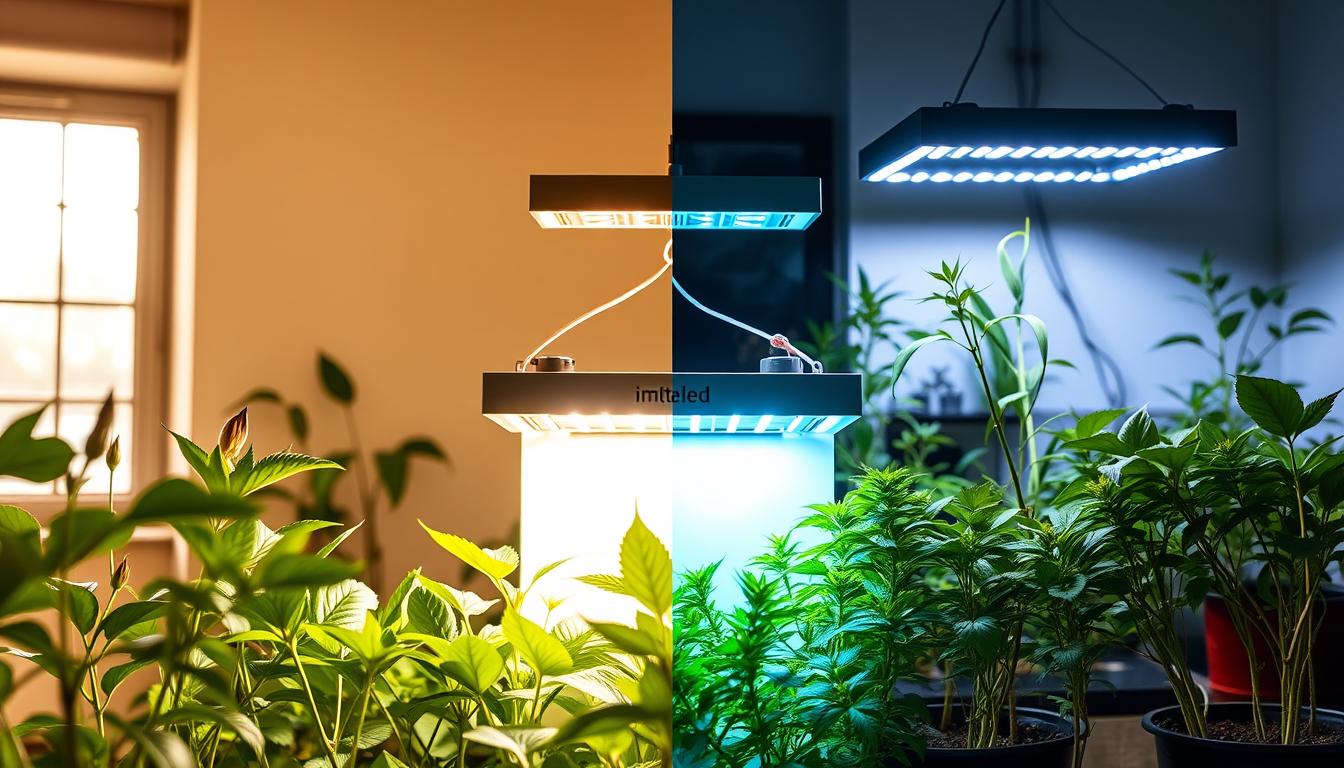
Achieving a thriving indoor garden requires more than just buying equipment; it demands a smart approach to setup. Whether you are using premium or affordable LED grow lights, avoiding simple mistakes is the key to success. We want to help you navigate these common pitfalls so your plants can flourish without unnecessary stress.
Ignoring Manufacturer Guidelines
Every lighting system comes with specific instructions designed to maximize performance and safety. Many growers skip these manuals, which often leads to suboptimal results or even equipment failure. Always follow the recommended protocols provided by the brand to ensure your LED Grow Lights operate at peak efficiency.
Incorrect Placement
Proper positioning is vital for healthy plant development. Placing your lights too close can cause heat stress, while keeping them too far away results in weak, leggy growth. We recommend testing the distance regularly to ensure your plants receive the perfect amount of light throughout their life cycle.
Overestimating Light Requirements
It is a common misconception that more light is always better for your indoor greenery. In reality, providing too much intensity can damage delicate leaves and waste electricity. By choosing affordable LED grow lights that match the specific needs of your plant species, you can achieve excellent growth while keeping your energy costs low.
Remember that balance is the secret to a successful indoor garden. By staying mindful of these common errors, you can create a productive environment that supports your plants from seedling to harvest. We are here to ensure your journey remains simple, efficient, and rewarding.
LED Grow Lights and Different Plant Types
Achieving a thriving indoor garden requires more than just turning on a light; it demands a tailored approach to plant biology. Every species has evolved under specific environmental conditions, and mimicking these settings is the secret to a lush, healthy harvest. By using high-quality grow lights for indoor plants, you can provide the exact energy your greenery craves to flourish year-round.
Indoor vs. Outdoor Plants
Outdoor plants are accustomed to the intense, unfiltered power of the sun, which changes throughout the day. When bringing these varieties inside, you must compensate for the lack of natural solar intensity. Consistency is your best friend when managing these transitions, as indoor environments lack the natural fluctuations of the seasons.
We recommend monitoring your plants closely during the first few weeks of indoor placement. If you notice signs of stress, adjust the distance of your LED plant lights to better match the natural habitat of the species. Providing a stable environment allows your plants to adapt quickly and grow with vigor.
Best Practices for Vegetables
Vegetables are notoriously hungry for light, especially when they reach the fruiting stage. To ensure a bountiful harvest, you should position your lights closer to the canopy to maximize photosynthetic efficiency. High-intensity output is often necessary for peppers, tomatoes, and other heavy feeders.
Remember that vegetables require a distinct shift in light cycles as they mature. During the vegetative phase, they benefit from longer periods of light, while the flowering stage may require a more specific spectrum. Keeping a log of your light cycles will help you refine your process and achieve professional-grade results at home.
Flowering Plants and Light Needs
Flowering species are highly sensitive to the duration of light they receive each day. Many plants rely on these cues to trigger their blooming cycle, making precise timing essential for success. Using advanced grow lights for indoor plants allows you to control these photoperiods with absolute accuracy.
For optimal results, we suggest using a timer to maintain a strict schedule for your flowering varieties. By balancing the intensity and duration of your LED plant lights, you can encourage vibrant blooms that last longer. We are here to support your journey, ensuring your indoor garden remains a beautiful sanctuary of growth and life.
Additional Tips for Successful Growth
Elevating your indoor gardening game involves a blend of precision tools and smart habits. We want to ensure your plants receive exactly what they need to thrive throughout every stage of their life cycle.
Using Light Meters for Accuracy
To achieve the best results, we recommend using advanced tools like light meters to verify your intensity levels. Relying on your eyes alone can be misleading, as plants perceive light differently than humans do. By measuring the actual output, you can select the best LED grow lights settings to prevent stress and promote vigorous growth.
Collaborating with Other Grow Techniques
Combining high-performance grow lights with other proven techniques will help you maximize your yields and plant health. Consider integrating proper airflow, consistent humidity control, and high-quality nutrients into your routine. Consistency is the secret ingredient that turns a standard setup into a professional-grade indoor garden.
Maintenance of LED Lights
We also emphasize the importance of regular maintenance to keep your equipment in top condition. Dust and debris can accumulate on lenses over time, which reduces light output and efficiency. Simply wiping down your fixtures with a soft, dry cloth ensures your plants continue to receive the full spectrum of light they deserve.
Our goal is to provide you with the innovative tools and knowledge to make your gardening experience both simple and rewarding. By staying proactive with your care, you create a stable environment where your plants can truly flourish.
Frequently Asked Questions
Mastering your indoor environment requires a blend of science and intuition. We are here to support your journey toward a thriving harvest by providing the clarity you need to operate your equipment with confidence.
Many growers find that LED Grow Lights offer the most efficient path to success when managed with precision. By focusing on PPFD metrics rather than just wattage, you ensure your plants receive the exact energy required for robust development without the risk of heat stress.
Addressing Common Concerns
You might wonder if your current setup is causing hidden damage to your plants. We suggest reviewing our troubleshooting guide to identify signs of light shock or improper canopy distance early. Proper adjustments to your dimming settings and light cycles often resolve these issues quickly.
Connecting With Our Team
We believe that top-rated LED grow lights should simplify your life rather than complicate it. If you face persistent challenges or need advice on specific spectrum needs, reach out to us directly. You can contact our team at info@imltled.cn or send a message via Whatsapp at 0086 185 8848 3178.
Our mission is to help you cultivate the vibrant, healthy garden you have always envisioned. Visit us at www.imltled.cn to explore innovative solutions designed for your unique growing space. We look forward to being a part of your success story.