
Have you ever wondered how professional venues create those stunning, synchronized light shows? The secret lies in the DMX 512 protocol, the industry standard for managing automated lighting fixtures. We believe that understanding this digital language is the first step toward transforming your space into a vibrant, professional-grade environment.
At its core, this system acts as a reliable bridge between your lighting hardware and the controller. By using a unified communication method, it ensures that every fixture responds instantly to your commands. Whether you are a homeowner looking to elevate your living room or a business owner enhancing your storefront, this technology makes complex setups feel simple and intuitive.
Mastering the basics of the DMX 512 protocol allows you to unlock endless creative possibilities. We are here to help you navigate these technical details with ease. By choosing the right tools, you can achieve innovative lighting effects that are both easy to manage and truly impressive to behold.
Key Takeaways
- The DMX 512 protocol serves as the global standard for professional lighting control.
- It enables seamless, real-time communication between controllers and lighting fixtures.
- Modern systems make this technology accessible for both residential and commercial projects.
- Understanding these basics helps you create professional-grade lighting displays with confidence.
- Innovative lighting solutions are now easier to manage than ever before.
What is DMX 512 Protocol?
We believe that simplifying lighting technology starts with a clear grasp of the industry-standard dmx 512 protocol. This digital communication language acts as the backbone for modern lighting design, allowing you to manage complex setups with unmatched precision.
By using a unified standard, this system replaces outdated and inefficient proprietary cabling. It gives you the power to manipulate intensity, color, and movement across a wide range of devices from a single controller.
Overview and Purpose
The primary goal of this system is to provide a reliable way for controllers to talk to fixtures. Whether you are adjusting a simple spotlight or a complex array of smart lights, the dmx 512 protocol ensures that every command is executed instantly.
This efficiency is what makes it a favorite for both professional stages and modern smart homes. It turns the daunting task of managing multiple lights into a seamless and enjoyable experience.
History of DMX Technology
The roots of this innovation trace back to 1986 when the United States Institute for Theatre Technology (USITT) introduced it to the world. Before this, lighting technicians struggled with incompatible equipment from different manufacturers.
The introduction of dmx technology changed the industry by creating a universal language. This shift allowed for greater creativity and reduced the technical headaches that previously plagued large-scale lighting projects.
Key Applications in Lighting
Today, you will find this versatile dmx technology powering everything from massive concert stages to elegant architectural installations. It is the gold standard for anyone who demands total control over their environment.
| Application | Primary Benefit | Control Level |
|---|---|---|
| Theatrical Lighting | High Synchronization | Advanced |
| Architectural Design | Reliable Automation | Intermediate |
| Smart Home Systems | Ease of Use | User-Friendly |
How DMX 512 Works
At the heart of every impressive light show lies the sophisticated yet reliable dmx 512 protocol. This digital language allows us to communicate complex instructions to lighting equipment with incredible speed and precision. By standardizing how devices talk to each other, it ensures that your creative vision translates perfectly into reality.
Signal Transmission Basics
The system relies on a robust dmx signal that travels through shielded cables to reach your equipment. We typically use a daisy-chain configuration, where the signal passes from one device to the next in a continuous line. This method keeps the installation clean and efficient, reducing the amount of cabling required for large setups.
To maintain signal integrity over long distances, we always recommend using a termination plug at the end of the chain. This simple step prevents data reflections that could otherwise cause flickering or erratic behavior. Reliability is the cornerstone of a professional lighting environment.
Data Structure and Channels
A single DMX universe consists of 512 unique channels, providing a vast amount of control for your lighting design. Each channel acts as a specific instruction set, typically ranging from 0 to 255 in value. By adjusting these values, you can manipulate parameters like intensity, color, and movement with granular accuracy.
“The beauty of the DMX standard is its simplicity; it provides a universal language that allows diverse hardware to work in perfect harmony.”
Every device in your setup is assigned a starting address, which tells it which channels to listen to. If a fixture requires ten channels, it will occupy that specific block within the universe. This organized structure allows for precise control over every individual light in your system.
DMX Controllers and Fixtures
Your dmx controller acts as the brain of the operation, sending out the commands that dictate how your lights behave. Whether you are using a physical console or modern dmx software, the goal remains the same: to create a synchronized and responsive experience. These tools allow you to program complex scenes that trigger automatically or on command.
The dmx fixtures themselves are the performers, receiving data and translating it into light. From moving heads to simple LED strips, each unit interprets the incoming data to adjust its output instantly. When these components work together, you achieve a level of creative freedom that is truly unmatched.
| Component | Primary Function | Key Benefit |
|---|---|---|
| Controller | Sends data commands | Centralized management |
| Fixtures | Execute lighting tasks | High-speed response |
| Cabling | Transmits the signal | Reliable connectivity |
| Software | Visual programming | Advanced customization |
Advantages of Using DMX 512
The backbone of modern professional lighting lies in the robust capabilities of the DMX 512 protocol. By choosing this standard, you gain access to a reliable framework that powers everything from small stages to massive architectural displays. High-quality dmx lighting ensures that your creative vision remains consistent and professional across every installation.
Scalable Systems
One of the greatest strengths of this protocol is its inherent scalability. Whether you are managing a handful of lights for a private event or thousands of units for a stadium show, the system adapts to your needs. You can easily expand your network without worrying about losing signal integrity or performance quality.
Compatibility with Various Devices
Interoperability is a cornerstone of a successful lighting design. Because this protocol is an industry standard, you can mix and match dmx fixtures from different manufacturers with complete confidence. This flexibility allows you to build a custom setup that utilizes the best technology available for your specific project requirements.
Precise Control Capabilities
When it comes to artistic expression, precision is everything. This protocol supports smooth and seamless fades between different lighting states, allowing for transitions that feel natural and polished. You will appreciate the granular control it provides when designing complex, immersive lighting scenes for any occasion.
Ultimately, this technology empowers you to create environments that are both functional and visually stunning. By leveraging these advantages, you ensure that your equipment works together in perfect harmony, providing a stress-free experience for your next big installation.
DMX 512 in Smart Lighting Solutions
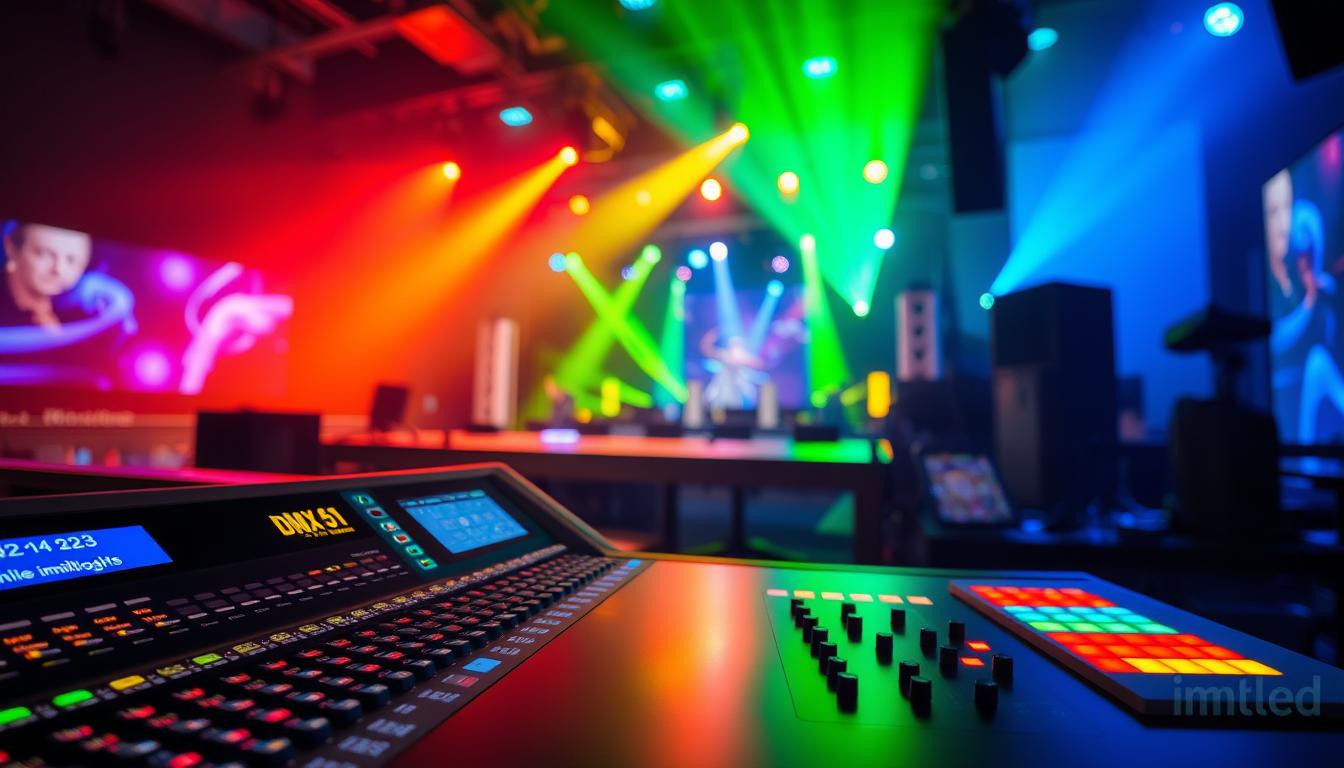
You might be surprised to learn that the technology powering massive light shows is now a staple in modern smart homes. While dmx lighting was once reserved for professional technicians, it has become an accessible tool for anyone looking to elevate their environment. We believe that professional-grade control should be available to everyone, whether you are designing a home theater or a smart living room.
Integration with Modern Technology
Modern smart home hubs now bridge the gap between complex protocols and user-friendly interfaces. By using a DMX-to-Wi-Fi bridge, you can easily sync your dynamic lighting scenes with voice commands or mobile apps. This integration allows for seamless transitions between warm, ambient light for relaxation and vibrant, colorful patterns for entertainment.
“Light is the most powerful tool in the designer’s kit, capable of shifting the mood of a space in an instant.”
Application in Theatrical Lighting
The roots of this protocol remain firmly planted in the world of performance. In theaters and concert venues, dmx lighting provides the split-second precision required for complex cues. It allows lighting designers to synchronize thousands of fixtures to the beat of the music, creating an immersive experience for the audience.
Role in Architectural Lighting Design
Beyond the stage, this technology transforms static structures into living, breathing landmarks. Architects use these systems to highlight textures and shapes on building facades, creating a visual narrative that changes throughout the night. This approach turns ordinary buildings into beacons of light that define the urban landscape.
| Application Area | Primary Benefit | Control Complexity |
|---|---|---|
| Smart Homes | Ambiance & Mood | Low to Medium |
| Theatrical Stages | Precision & Timing | High |
| Architectural Design | Visual Impact | Medium to High |
Whether you are managing a large-scale installation or a small home project, the flexibility of dmx lighting remains unmatched. We encourage you to explore these professional techniques to bring your own creative vision to life. With the right setup, your space can become a canvas for endless innovation.
Comparison with Other Lighting Protocols
Understanding how different lighting languages communicate helps you build a more efficient system. While dmx control remains the industry gold standard for its reliability, other protocols offer unique benefits for specific smart lighting setups. We want to ensure you select the most effective technology for your unique project needs.
DMX vs. Art-Net
Art-Net is an Ethernet-based protocol designed to transport large amounts of data over standard network cables. It acts as a bridge, allowing you to send multiple universes of dmx control data across a single network infrastructure. This makes it an excellent choice for large-scale installations where traditional cabling becomes too complex.
DMX vs. DALI
DALI, or Digital Addressable Lighting Interface, focuses primarily on architectural dimming and individual fixture feedback. Unlike the high-speed nature of dmx control, DALI is slower and better suited for office or residential environments where precise dimming curves are more important than rapid color changes. It provides a two-way communication path that is highly effective for energy management.
Use Cases for Each Protocol
Choosing the right protocol depends on your specific goals, such as speed, distance, or the need for feedback. The following table highlights the primary differences to help you make an informed decision for your next installation.
| Protocol | Primary Use | Data Speed | Best For |
|---|---|---|---|
| DMX512 | Stage & Effects | High | Dynamic color changes |
| Art-Net | Large Networks | Very High | Complex pixel mapping |
| DALI | Architectural | Low | Precise dimming control |
Setting Up a DMX 512 Network
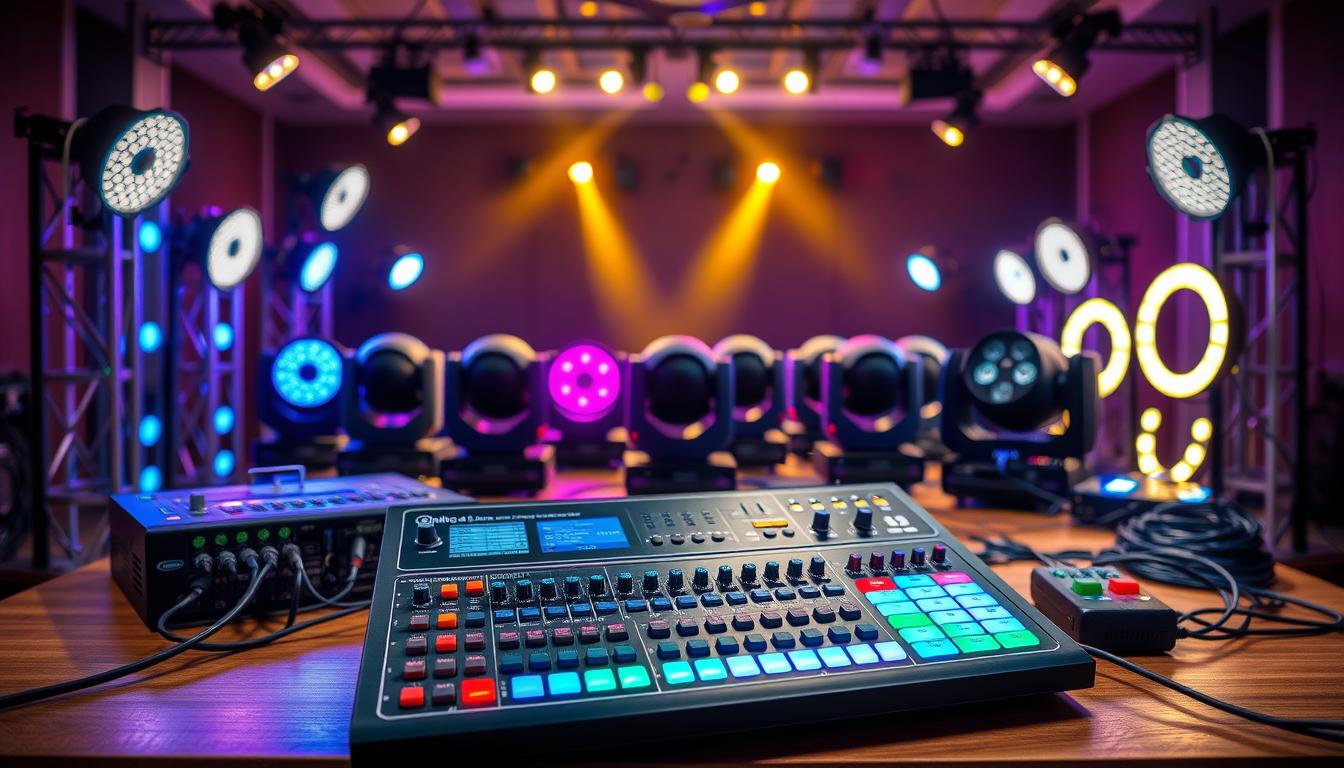
Setting up your hardware correctly is the secret to a smooth and responsive lighting show. Whether you are designing a stage or a smart home display, achieving precise dmx control requires a methodical approach to your physical connections.
Required Equipment
To begin, you will need a reliable dmx controller to act as the brain of your operation. You should also gather high-quality DMX cables, which are distinct from standard microphone cables due to their specific impedance requirements.
Finally, ensure you have your dmx fixtures ready and a compatible dmx interface if you plan to manage your lights via computer software. Having the right tools on hand prevents frustration during the installation process.
Step-by-Step Setup Process
The standard configuration for connecting your gear is known as daisy-chaining. You connect the output of your controller to the input of the first light, then link the output of that light to the input of the next.
Once your physical chain is complete, you must assign a unique address to each unit. This ensures that every device knows exactly which data packets to listen for, allowing for independent and accurate performance across your entire rig.
Common Pitfalls to Avoid
One of the most frequent mistakes is failing to use a DMX terminator at the end of your chain. Without this small plug, signal reflections can cause flickering or erratic behavior in your lights.
Additionally, avoid using standard XLR audio cables for your data transmission. These cables often lack the necessary shielding and resistance, which can lead to unpredictable signal loss. Always stick to cables specifically rated for digital data to keep your system running perfectly.
Troubleshooting DMX 512 Systems
We believe that keeping your professional lighting environment stable should be a straightforward process. Even with the most robust hardware, you might occasionally encounter flickering or unresponsive lights. Understanding how to diagnose these common issues ensures your dmx control remains reliable and effective during every performance.
Identifying Connection Issues
The most frequent culprits in any lighting network are physical connections. Always start by inspecting your cables for visible damage or loose pins. A faulty dmx interface connection often causes intermittent data loss, which manifests as erratic light behavior.
Ensure that every cable is securely plugged into the correct port. If you suspect a specific cable is failing, swap it with a known working one to isolate the problem quickly. This simple step often resolves the majority of connectivity concerns without further intervention.
Addressing Signal Interference
Maintaining a clean dmx signal is vital for smooth operation. You must terminate both ends of your cable run with a 120Ω terminator to prevent signal reflections that can corrupt your data. Without proper termination, the electrical pulses can bounce back, causing unpredictable flickering.
Additionally, keep your data cables away from high-voltage power lines to avoid electromagnetic interference. Using high-quality, shielded cables specifically designed for data transmission will significantly improve the stability of your entire system.
Testing Equipment Functionality
When connections are secure, the next step is to verify the health of your individual devices. Test your fixtures by connecting them directly to the controller to rule out issues with intermediate splitters or long cable runs. If a fixture remains unresponsive, check its internal settings to ensure it is set to the correct starting address.
The following table provides a quick reference for common symptoms and their likely solutions to help you maintain your setup with ease.
| Symptom | Likely Cause | Recommended Action |
|---|---|---|
| Flickering Lights | Missing Terminator | Install 120Ω resistor at the end |
| Unresponsive Fixture | Wrong DMX Address | Verify address on the unit |
| Intermittent Signal | Damaged Cable | Replace or repair the cable |
| Total System Failure | Controller Issue | Restart the dmx interface |
Advanced DMX 512 Techniques
When you are ready to push the boundaries of your lighting system, advanced integration and management tools become your best allies. Moving beyond basic setups allows you to transform any space into a dynamic visual experience that responds to your creative vision. By leveraging professional-grade features, you can ensure your installation remains both flexible and highly efficient.
Multi-Protocol Integration
Modern lighting environments often require the seamless blending of different technologies. You can bridge the gap between various systems by using a versatile dmx controller that supports multiple communication standards. This approach ensures that your hardware communicates effectively, regardless of the underlying architecture.
Integrating different protocols allows for a more cohesive design. It enables you to synchronize complex lighting arrays with other smart home or stage automation systems. This interoperability is the key to creating truly immersive environments that feel intuitive and responsive.
Utilizing RDM (Remote Device Management)
Managing a large array of fixtures can be a daunting task, but RDM changes the game entirely. This extension of the standard dmx signal allows for bidirectional communication between your console and the lights. You can now configure, monitor, and troubleshoot fixtures without needing physical access to each unit.
Imagine adjusting the address or operating mode of a light mounted high on a ceiling with just a few clicks. RDM saves you significant time during the setup phase and simplifies ongoing maintenance. It is a powerful tool that keeps your system running smoothly while reducing the need for manual intervention.
Customizing Lighting Effects
To truly stand out, you need to move past pre-programmed patterns and start building your own unique sequences. High-quality dmx software provides the canvas you need to craft intricate, custom effects that define your brand or event. You can manipulate every parameter of your lights to create transitions, colors, and movements that are entirely your own.
By mastering your dmx software, you gain the ability to layer complex cues and timing sequences. This level of precision ensures that your lighting design is not just functional, but artistic. Whether you are managing a small architectural installation or a large performance, these advanced techniques empower you to create something truly memorable.
Future of DMX 512 Technology
We are standing on the brink of a new era where dmx interface capabilities redefine how we interact with our environments. As lighting systems become more connected, the evolution of dmx technology remains a cornerstone of modern design. We believe that the future of illumination lies in making complex systems feel effortless for every user.
Innovations on the Horizon
The next generation of hardware is focusing heavily on sustainability and energy efficiency. Manufacturers are developing components that consume less power while delivering higher performance. This shift ensures that your lighting setup remains both powerful and environmentally conscious.
Newer versions of this protocol are becoming more compact and versatile. These advancements allow for easier installation in tight spaces without sacrificing control precision. We are excited to see how these improvements will simplify your next lighting project.
Impact of IoT on DMX Systems
The integration of the Internet of Things (IoT) is transforming how we manage our spaces. By connecting your dmx interface to a broader smart network, you gain the ability to automate lighting based on your daily habits. This creates a truly intuitive experience that adapts to your lifestyle automatically.
“The best technology is the kind that disappears into the background, leaving only the experience behind.”
Imagine your home or office adjusting its ambiance based on the time of day or your presence in a room. This level of connectivity makes professional-grade lighting accessible to everyone. It turns a standard room into a dynamic, responsive environment.
Anticipated Industry Trends
We expect to see a growing trend toward universal compatibility across different lighting platforms. As the industry matures, the barriers between proprietary systems and open standards are fading. This means you will have more freedom to choose the best tools for your specific needs.
Simplicity is the ultimate goal for the future of dmx technology. We are moving toward interfaces that require less technical expertise to operate effectively. Our mission is to ensure that your path to a perfectly lit space remains simple, enjoyable, and future-proof.
Real-World Case Studies of DMX 512
From massive stadiums to intricate theme park rides, dmx lighting transforms ordinary spaces into immersive experiences. We often marvel at professional light shows, but the secret lies in the precision of this robust protocol. By understanding how experts apply these tools, you can unlock new creative potential for your own projects.
Themed Attractions and Events
Theme parks rely heavily on synchronized perfection to keep guests engaged. DMX 512 is the backbone of these environments, allowing designers to link lighting effects directly with ride movements and audio cues. This creates a seamless narrative where every flash and color shift feels intentional and magical.
Concerts and Live Performances
In the world of live music, dmx technology provides the speed and reliability needed for complex stage setups. Lighting directors use this protocol to control hundreds of fixtures simultaneously, ensuring that every beat of the music matches a visual pulse. It is this level of control that turns a standard concert into a breathtaking spectacle.
Architectural Installations
Modern cities use lighting to define their identity after dark. By utilizing advanced dmx technology, architects can program building facades to change colors or patterns based on the time of day or special events. This approach to dmx lighting enhances urban aesthetics while maintaining energy efficiency through precise scheduling.
| Application Area | Primary Benefit | Key Feature |
|---|---|---|
| Theme Parks | Synchronization | Audio-Visual Integration |
| Live Concerts | Real-time Control | High-Speed Data Flow |
| Architectural | Atmospheric Impact | Automated Scheduling |
Conclusion and Further Resources
You now possess the knowledge to transform any space using professional lighting standards. Implementing these techniques creates vibrant environments that captivate your audience and elevate your design projects.
Choosing the right dmx software remains a vital step in your creative process. Reliable tools allow you to manage complex arrays with ease and precision. We encourage you to experiment with different configurations to find the perfect balance for your specific needs.
Core Takeaways for Success
Successful lighting design relies on understanding signal flow and hardware compatibility. Consistent maintenance of your network ensures long-term performance and stability for every installation. Always prioritize high-quality components to achieve the best visual results.
Connect With Our Experts
We are ready to support your next project with innovative solutions tailored to your vision. Visit our website at www.imltled.cn to explore our latest product catalog. You can reach our team directly via WhatsApp at 0086 185 8848 3178 or send your inquiries to info@imltled.cn for personalized guidance.